
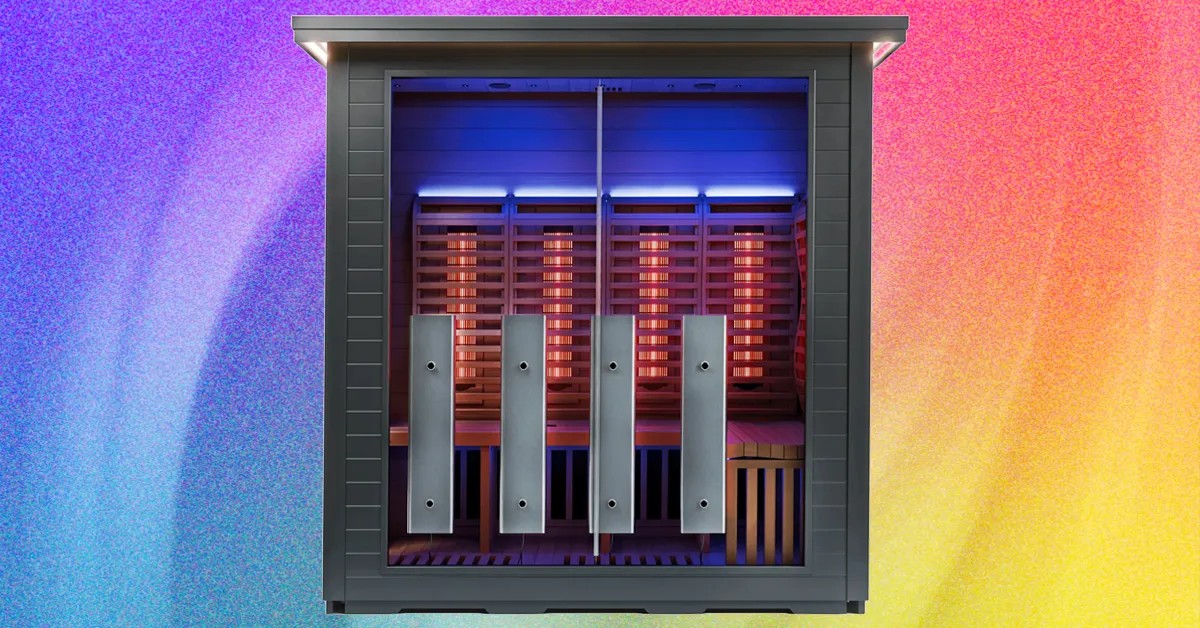
The appeal of a backyard sauna is clear: a private escape from cold weather, stress relief, and a social gathering point all in one. However, installing one isn’t as simple as unpacking a box. Recent experiences from those who’ve taken the plunge reveal critical factors beyond just picking a model. Whether you’re drawn to traditional wood-burning heat or the convenience of electric, careful planning is essential to avoid costly mistakes and ensure a truly enjoyable experience.
Choosing the Right Sauna Type
The first step is understanding the options. Traditional Finnish saunas, heated by wood stoves, offer an authentic experience but come with increased fire risk and maintenance. Electric saunas provide convenience, with two main types: standard electric heaters and infrared (IR) models. Electric saunas can be “wet,” allowing steam (löyly) by pouring water on the rocks, or “dry” for a more sanitary experience. IR saunas use light panels to heat the body directly, often at a lower price point, though some find the heat uneven. Most buyers tend to lean toward electric wet models, closely mimicking public sauna environments.
Location and Installation: Treat it Like Indoor Plumbing
While marketed as “outdoor,” treating an outdoor sauna like an indoor installation is vital. Most models require a solid, level surface (tile, concrete, or wood) capable of supporting significant weight (870–1,270 pounds). Beyond that, a dedicated 240-volt, 30-amp electrical circuit with a NEMA L6-30P outlet is non-negotiable; DIY electrical work will void the warranty.
Many buyers underestimate the logistics. Delays between delivery and professional assembly can leave expensive equipment exposed to the elements. Fragile components require immediate protection. Hiring a professional installer is strongly recommended, even if white-glove service isn’t truly “white-glove.”
Materials and Climate: Heat Retention Matters
Sauna materials directly impact performance. Thinner walls and large glass panels lose heat faster, requiring longer preheating times. A thicker, well-insulated structure with smaller windows will reach temperature more efficiently. Professionals can ensure proper weatherstripping to prevent heat loss.
Climate plays a crucial role. In colder regions, even high-end saunas may struggle to maintain consistent temperatures, particularly if uncovered. Built-in timers (often 60 minutes) prevent excessive energy consumption, but can also cut off the heat before you finish enjoying it. Bluetooth-connected models that display real-time temperature are invaluable for monitoring and maximizing efficiency.
Real-World Lessons Learned
Many DIY attempts underestimate the labor involved. What’s advertised as a 3-4 hour project can easily stretch into a weekend. One homeowner found a sauna took an entire weekend to install, while another experienced significant heat loss due to inadequate weatherstripping. The key takeaway? Don’t hesitate to hire a professional.
Investing time in careful shopping and professional installation can save money, effort, and frustration. The goal is a seamless experience, not just a sauna in your backyard.
Ultimately, a well-planned sauna installation delivers on its promise: a luxurious, private retreat. Cutting corners, however, leads to disappointment.