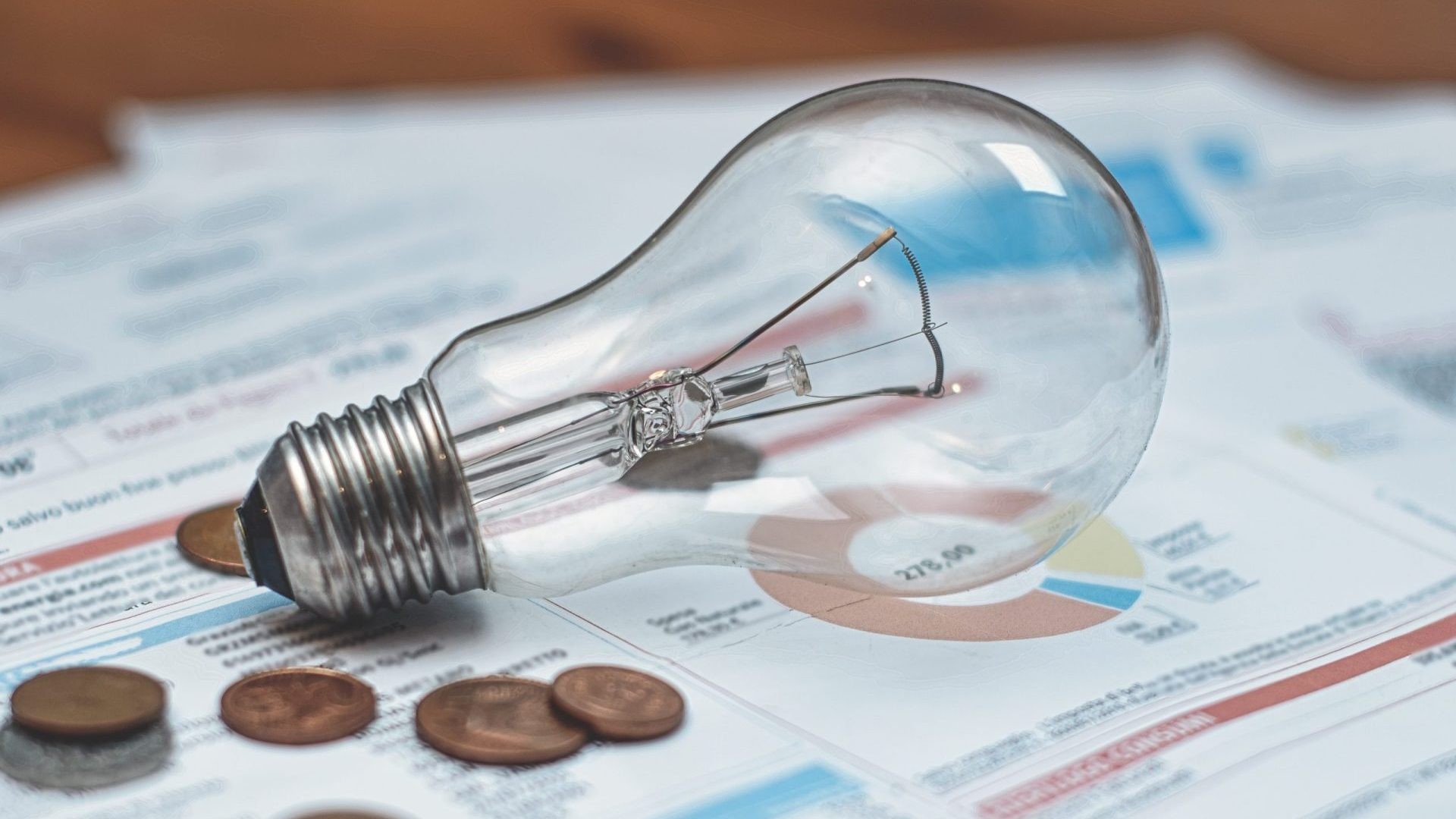
Utility bills are among the most unpredictable monthly expenses for households. Unlike fixed costs like rent or loan payments, these bills can surge dramatically without any major changes in lifestyle. This unpredictability isn’t random; it’s driven by several factors that often catch consumers off guard. Here’s a breakdown of the four main culprits behind unexpected utility spikes, and what you can do to mitigate them.
1. Weather-Driven Electricity Surges
Extreme temperatures are the biggest immediate driver of higher bills. Even short periods of intense heat or cold can push households into more expensive pricing tiers. For example, residents of hot climates like Phoenix may see electricity bills jump from $150 in winter to $400–$600 during peak summer months.
The problem is compounded by the fact that many electricity plans aren’t truly “flat rate.” Prices can vary based on when and how power is used, meaning consistent habits will cost more over time as retail electricity prices continue to rise.
2. Hidden Infrastructure Costs
Extreme weather doesn’t just raise bills in the moment; it leads to delayed increases through infrastructure repairs and upgrades. After major storms or heat waves, utilities spend money reinforcing the power grid. These costs are inevitably passed back to customers through higher delivery charges, often months or years later.
Consumers may experience an outage and mistakenly expect a lower bill, but the reality is that utility companies will not absorb these repair costs. They’re folded into future rates, making bills higher than anticipated.
3. Tiered Pricing Traps
Most utilities use tiered pricing structures that sharply increase costs once a usage threshold is crossed. This often happens without clear warning. A plan that looks cheap at one usage level can become expensive just slightly above or below it. For example, a plan might be affordable at 1,000 kWh, but if you use 800 kWh, you could lose a bill credit and double your effective rate.
This isn’t a gradual increase; it’s more like a staircase. Even small overages can lead to 20–40% higher per-unit costs.
4. Creeping Fees and Surcharges
Beyond usage, utility bills often include hidden fees, delivery charges, fuel pass-throughs, and infrastructure surcharges. These costs tend to rise slowly, making them difficult to notice until bills become inexplicably high. Most consumers only look at the advertised rate, unaware of the fine print that changes the real price based on usage levels.
How to Avoid Surprises
Utility bills will likely continue to rise, but you can take steps to reduce unpleasant surprises:
- Shop Around: The biggest warning sign is an approaching contract end date without comparison shopping.
- Maintain Efficiency: Rising energy use, even in moderate weather, can indicate inefficiencies. Schedule annual AC tune-ups to address leaks and dirty coils that reduce cooling efficiency.
- Read the Fine Print: Most people overlook crucial details buried in utility bills.
- Free Assessments: Many utility companies offer free efficiency assessments to identify and fix “leaky buckets” where dollars are being wasted.
Ultimately, understanding how utility pricing works and proactively managing energy usage is the best defense against unexpected costs. The market is changing, and ignoring these trends will only lead to higher bills over time.