
The current technology landscape is defined by a tug-of-war between consumer empowerment and corporate control. While new hardware—ranging from modular laptops to advanced smart rings—promises more freedom, legislative battles and rising price tags suggest a tightening grip on the consumer experience.
The Battle for Ownership: Repairability and Pricing
A significant tension is emerging between users who want to own their devices and corporations that benefit from planned obsolescence.
- The Fight for Right-to-Repair: In Colorado, tech companies are actively working to weaken landmark legislation designed to protect a consumer’s right to fix their own devices. This trend highlights a broader industry move toward “closed” ecosystems, where software locks and proprietary parts make independent repairs nearly impossible.
- Rising Costs in the Microsoft Ecosystem: Microsoft is shifting its market positioning by significantly increasing prices for the Surface line—by as much as $300. Notably, the company has effectively eliminated its sub-$1,000 entry-level models. This move signals a transition toward a more premium, higher-margin strategy, leaving budget-conscious consumers with fewer options in the Windows ecosystem.
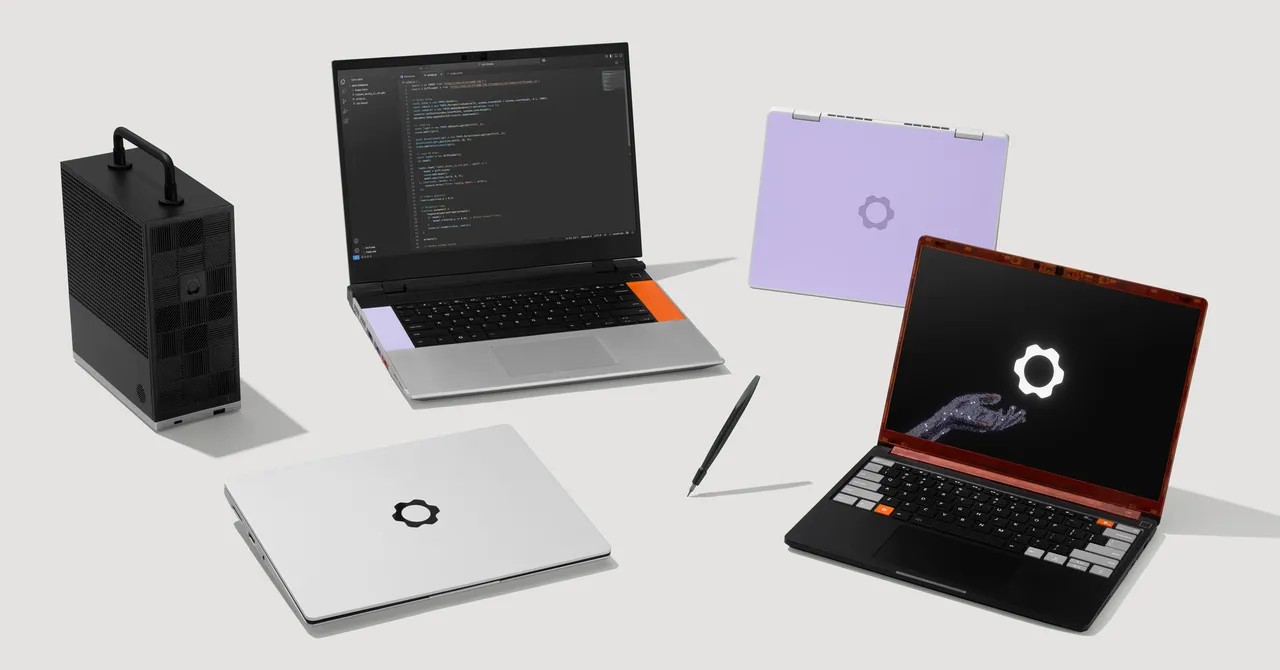
- The Modular Alternative: Amidst these rising costs, companies like Framework are doubling down on the “take-apartable” philosophy. By creating laptops that users can easily upgrade and repair, they provide a direct counter-narrative to the trend of disposable, unfixable hardware.
The New Frontier of Hardware and AI Integration
As traditional computing matures, new categories of devices and AI-driven development tools are beginning to reshape how we interact with technology.
Wearables and Specialized Hardware
- Ultrahuman’s US Return: The smart ring market is heating up with Ultrahuman’s relaunch in the US. Their latest model offers advanced specs without the friction of a mandatory subscription—a significant competitive advantage in an era where “subscription fatigue” is a growing consumer concern.
- Garmin’s Ecosystem Expansion: Garmin is deepening its hold on the fitness market by integrating more granular data—such as nutrition and gear tracking—into its premium sports watches, moving from simple activity tracking to holistic health management.
AI: From Code to Cybersecurity
Artificial Intelligence is no longer just a chatbot; it is becoming a fundamental tool in the development and maintenance of software.
- Hardware-Centric Coding: New tools like Schematik (often described as “the Cursor for hardware”) are attempting to bridge the gap between software coding and physical device programming, potentially lowering the barrier for creating complex physical tech.
- Bug Hunting and Software Stability: Mozilla has successfully utilized Anthropic’s Mythos to identify and resolve hundreds of bugs in Firefox. While this demonstrates the immense power of AI in debugging, developers are warned that the transition to AI-assisted maintenance will be a volatile period for the industry.
Consumer Value: Finding the Best Deals
Despite the general trend of rising prices, certain niches still offer high value for the savvy shopper.
- Budget Laptops: While Microsoft moves upward, the HP OmniBook 5 is emerging as a strong competitor to premium models like the MacBook Neo, offering high performance at a much lower price point (around $500).
- The Chromebook Rebrand: Once dismissed as low-end devices, a new wave of high-quality Chromebooks is challenging the reputation that “cheap” means “unreliable.”
- The 2-in-1 Versatility: For users seeking flexibility, the market for 2-in-1 devices (tablets that function as laptops) continues to refine the balance between portability and productivity.
Summary: The tech industry is currently split between two directions: a move toward high-priced, proprietary, and hard-to-repair hardware, and a counter-movement of modular, AI-enhanced, and value-driven devices that prioritize user autonomy.