
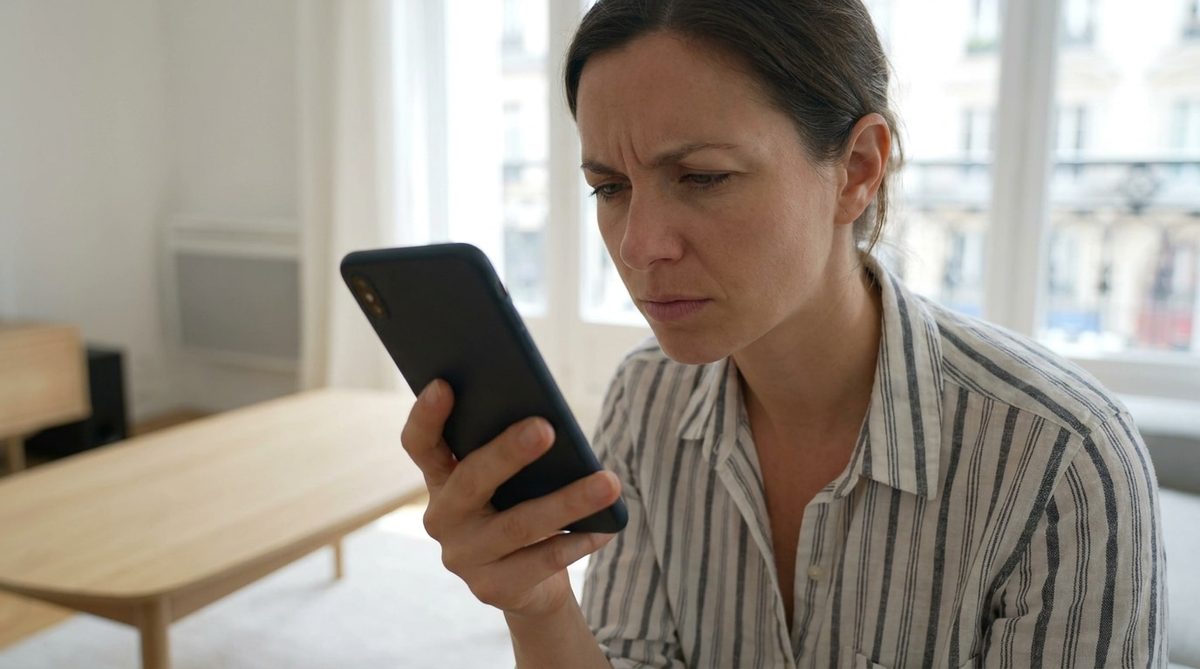
It is summer. The pace slows down. You are checking your phone on a Sunday evening when a notification pops up. Your stomach drops.
Your bank account is compromised.
This is a classic financial anxiety. Underneath the panic is a well-oiled machine designed to steal your data. Understanding how to spot these deceptive texts is like pulling weeds before they take over a garden. If you catch it early, you avoid heavy losses.
Why Sunday Night Smishing Works
Smishing, or SMS phishing, often targets individuals during downtime. Weekends and summer holidays lower your guard. Cybercriminals mass-send fraudulent texts posing as recognized credit institutions.
The goal is immediate panic. They might claim a suspicious transfer occurred. Or they say your debit card is about to be blocked. This alarmism forces you to react without thinking.
Scammers target moments when online payments are frequent. Confusion is their accomplice. They know you are less vigilant when you are trying to relax.
The Small Detail That Gives It Away
A single anomaly in the text often reveals the scam. In most cases, the message demands direct action. It contains a link. It asks you to enter codes or banking data.
That link leads to a fake site. The site mimics your bank’s official portal perfectly.
Golden Rule: No legitimate bank will ever ask for login credentials, RIB (bank details), or one-time security codes via SMS.
When you read closely, red flags appear. The web address looks suspicious. A brand name is misspelled. The phrasing is unnatural. Fraudsters want you to confirm sensitive information. They want your passwords. They want access.
How to Protect Your Accounts from Fraud
If you receive a dubious solicitation, your first move is critical. Do not click any URL. Do not provide the requested information. Your savings could vanish in seconds.
Authorities recommend verifying the alert yourself. Call your bank’s official number. Find it on your contract documents. Look at the back of your card.
If you already entered data, act fast. Lock your account. Change your password. Do this from a secure connection. Use a trusted computer or the official banking app. Never use the link from the text.
Report the attempt. Notify your local branch. File a complaint with the national fraud reporting platform. This helps cut the problem at the root. It disrupts criminal networks.
Staying Vigilant
Cultivating caution makes it easier to defeat costly smishing traps. Fraud attempts will keep reinventing themselves. Constant vigilance is your best defense.
Cybercriminals are constantly creative. Have you set up a strong security code for your mobile banking apps? The threat is real. The solution is simple. Just don’t click.