
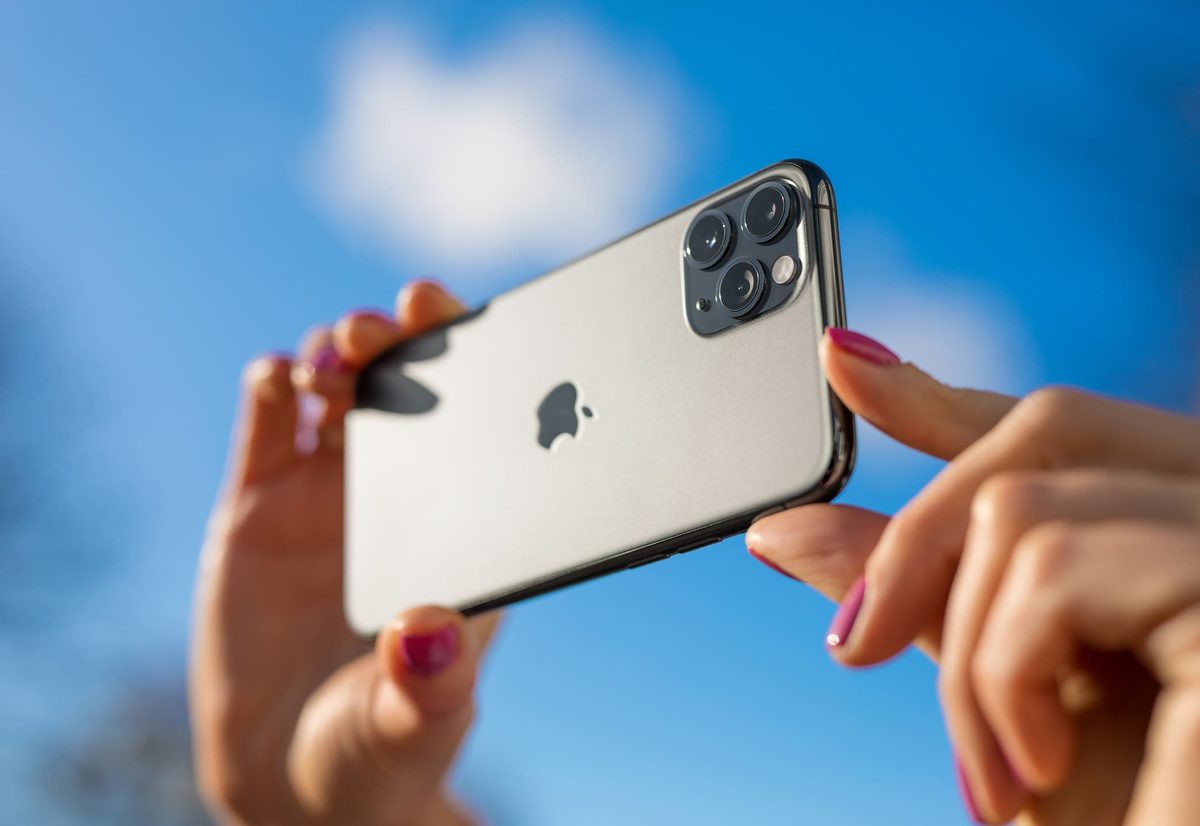
You want the latest iPhone or a high-performance Samsung Galaxy. You don’t want to drain your savings account. You also want to stop buying new devices that end up in landfills. This isn’t a hypothetical scenario anymore. It is a practical reality driven by the booming market for refurbished electronics.
The appeal is simple. You get top-tier technology. You save a significant chunk of cash. You make a small but meaningful gesture for the environment.
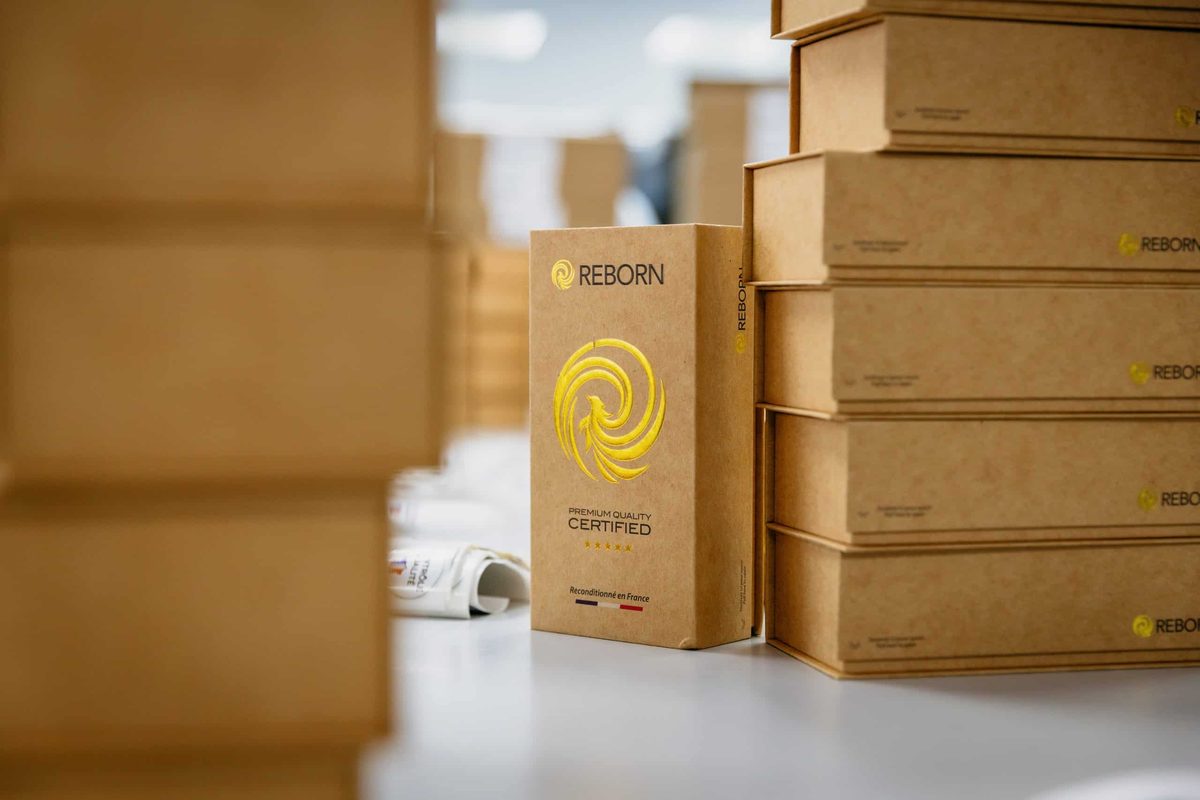
Reborn has emerged as a key player in this space. Based in France, this company positions itself as the local leader in refurbished goods. They aren’t just reselling old tech. They are processing it. Their model relies on transparency and high-quality standards. The price tag can be up to 70% lower than buying new. Plus, they offer a two-year warranty.
That is a steep discount with a safety net. It makes the offer hard to ignore for anyone watching their wallet.
Why the Refurbished Market Is Exploding
The numbers don’t lie. In 2024, refurbished devices accounted for over 20% of all smartphone sales in France. That translates to roughly 3.2 million units sold in a single year. The growth isn’t slowing down.
Consumers are driven by two main factors. First, they want to save money. Inflation has made new electronics feel out of reach for many. Second, there is a growing desire for sustainable consumption. People are tired of the “throwaway” culture.
But there is a distinction that matters. A refurbished device is not just a used phone. It isn’t a gamble. A used device might have a cracked screen or a failing battery. You are rolling the dice.
A refurbished device undergoes a rigorous process. It is tested. It is repaired. It is cleaned. It is brought back to a functional state before it hits the shelves.
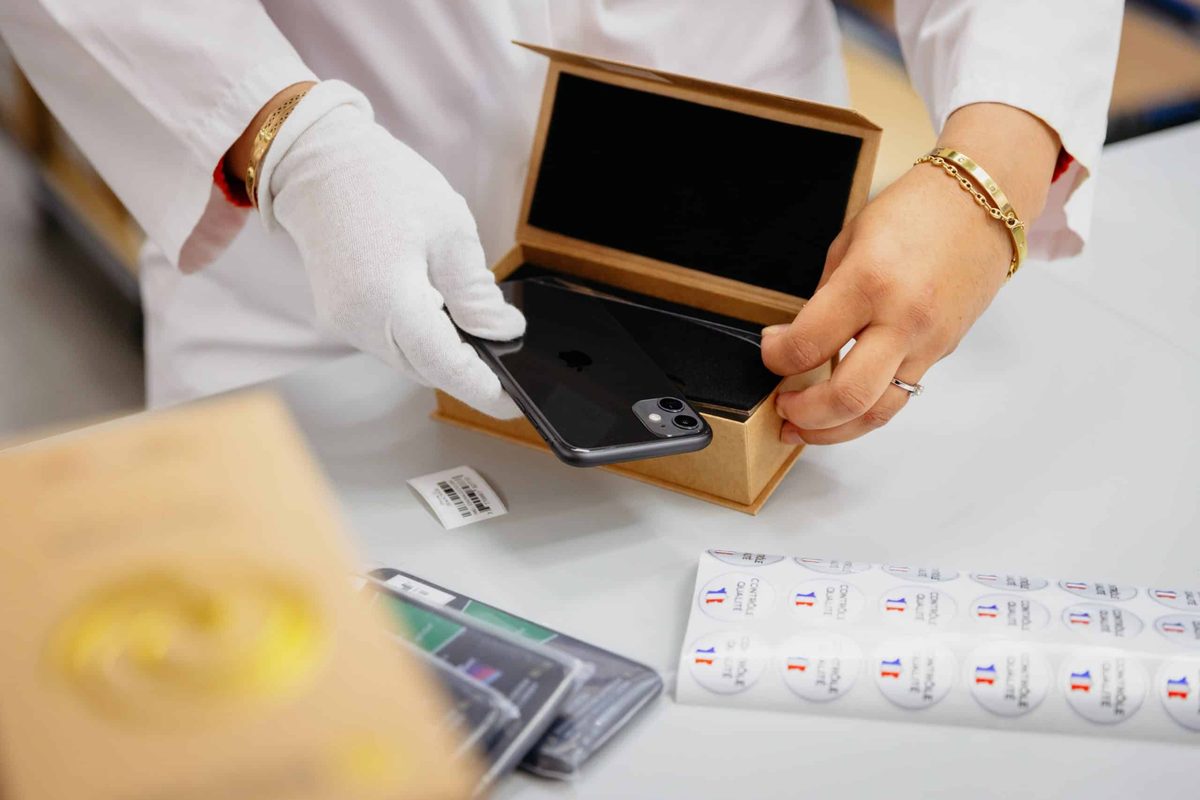
Reborn enforces this rigor. They perform 54 separate checks on every single device. This includes functionality tests and aesthetic inspections. The goal is to ensure the phone works perfectly and looks good enough to sell as a premium product.
“Unlike a used product, a refurbished device passes through a series of tests and repairs before being put back on the market.”
This level of scrutiny changes the risk profile. You aren’t buying someone’s old habits. You are buying a validated product. The 54-point checklist ensures that hidden defects are caught and fixed. This is why the two-year warranty is feasible. The company knows the device has been stress-tested.
The combination of cost savings and reduced environmental impact creates a compelling value proposition. For the budget-conscious tech buyer, it is no longer a compromise. It is a smart alternative.
The market is shifting. Older models retain their value longer than before. Newer models are still expensive. The middle ground is where the action is. Refurbished phones sit right in that sweet spot. They offer recent features without the new-car smell and price tag.
Reborn’s local focus adds another layer of trust. Buyers know where the phones are coming from. They know there is a physical entity holding the warranty. This isn’t a faceless dropshipper. It is a French company with a process.
The trend suggests this segment will continue to grow. As more

The Math Behind Refurbished Value
A refurbished smartphone sits at an average price point of 350 euros. The discount against brand-new models can hit 70%, depending on how old the device is. It is not just about saving money. It is about accessing hardware that performs identically to its retail counterpart.
Consider the flagship market. A refurbished iPhone or Samsung Galaxy often costs significantly less than the new version. The performance gap is nonexistent. You get the same processor speed. The same camera quality. The same screen resolution.
Premium Grades and Warranties
Quality control is where refurbished devices often get a bad reputation. REBORN challenges this directly. Their workshops operate near Nice, France. They focus on premium reconditioning.
Every product they sell carries a Grade A classification. This means excellent physical condition. There are no major scratches or dents. The device looks and feels nearly new.
The warranty backs this up. Buyers receive a two-year guarantee. This duration matches the standard coverage for a new smartphone. It removes the anxiety of buying used tech. You are not buying a gamble. You are buying a backed product.
Why Grade A Matters
Grade A is not a marketing fluff term. It sets a clear standard.
- Visual Inspection: Minor imperfections are rare.
- Functionality: All buttons, ports, and sensors work perfectly.
- Battery Health: Typically restored to high efficiency standards.
- Coverage: Two years of protection against defects.
This structure appeals to buyers who want savings but refuse to sacrifice reliability. It is a calculated trade-off. You pay less upfront. You get the same utility. The risk is mitigated by the warranty length.
For consumers navigating the high cost of new electronics, this model offers a viable alternative. The savings are real. The quality is verified. The choice becomes simpler.
Why REBORN’s French Manufacturing Strategy Matters for Quality and Jobs
While the broader tech industry leans heavily on offshoring labor to cut costs, REBORN is doubling down on domestic production. They don’t just outsource their refurbishment; they claim 100% of the process happens on French soil. To back this up, they’ve poured €15 million into expanding their production site. The goal? To turn this facility into Europe’s largest refurbishment center by 2025.
This isn’t just about brick and mortar. The expansion is directly tied to job creation, with plans to generate 200 new positions. It’s a direct response to the surging demand for refurbished electronics.
But location is only half the story. The company holds the Service France Garanti certification. This isn’t just a sticker on a box. It means that 90% of the workforce involved in service delivery operates under French employment contracts.
“This certification guarantees not only refurbishment according to French standards but also local, responsive customer service.”
The implication for you, as a consumer, is tangible. You aren’t dealing with a call center in an unknown timezone. You get a product built to local norms, supported by a team you can actually reach.
The Problem with “Grade A” Labels
Here is where the industry gets messy. Despite growth, the refurbished market lacks a unified regulatory framework. Right now, every player sets their own quality benchmarks.
Take smartphone grading. You see “Grade A” everywhere, implying a device that is virtually new. In reality, that label can hide visible defects. One company’s “perfect” is another’s “used.”
This ambiguity erodes trust. REBORN argues for a dedicated certification authority to harmonize these standards. Without it, consumers are flying blind.
The push for regulation isn’t just about bureaucracy. It’s about creating a level playing field. If everyone follows the same strict rules for what constitutes “like new,” the market becomes more transparent. You stop guessing and start knowing exactly what you’re buying.
Until then, the burden falls on the buyer. You have to dig past the marketing fluff. Look for the certifications. Check the contract details of the support team. And don’t assume “Grade A” means flawless. It’s a starting point, not a guarantee.
Why refurbished tech is the smarter financial move
Buying used isn’t just about saving cash. It’s about resource efficiency. When you recycle electronics, you stop waste. You also stop draining rare earth minerals from the ground. REBORN takes this further. They focus on local production. Their facility will soon be energy autonomous.
New smartphone prices keep climbing. The trend shows no sign of slowing. Refurbished devices are the logical alternative. You get substantial savings. Quality remains guaranteed. The ecological footprint shrinks.
It might be the most sensible choice for your next purchase.