

Money doesn’t always have a gender. And it certainly doesn’t have a religion. But when you combine faith with fierce ambition, you get a specific breed of billionaire. These aren’t just heirs sitting on piles of cash. They are architects of empires.
The list of the world’s wealthiest Muslim women is short. It’s exclusive. It’s dominated by names you might not recognize immediately, despite their massive influence. Let’s look at who actually holds the keys to these fortunes.
The Saudi Dynasty: The Al-Majid Family
First up is a name that echoes through boardrooms in Riyadh and London alike: Mona Farsi Al-Majid. She isn’t just rich. She is arguably the most visible face of female wealth in the Muslim world right now.
Her wealth doesn’t come from a trust fund. It comes from The Farsi Group. This is a massive conglomerate. They handle everything from logistics to hospitality. Al-Majid herself serves as the chairman. She’s known for being sharp. Direct. Unapologetic.
Why does she matter? Because she challenges the stereotype of the passive heiress. She built her stake. She fights for her position. Her net worth fluctuates, but it consistently lands her in the top tiers of global wealth rankings. Estimates vary, but we are talking about billions. Real, liquid, operational billions.
The Real Estate Mogul: Suhaila Bin Laden
Then there is Suhaila Bin Laden. Yes, that surname carries weight. Historical weight. Political weight. But in business, it simply means massive assets.
Her fortune is tied to The Bin Laden Group. Real estate. Construction. Infrastructure. Projects that touch the ground in Saudi Arabia and beyond. Suhaila is often cited as one of the wealthiest women in Saudi Arabia.
How did she get there? Through decades of strategic investment in a booming market. She isn’t in the spotlight as much as Al-Majid, but her influence is quieter. More structural. You don’t see her on magazine covers as often. But you see her projects.
The Textile Giant: Halima Sadikova
Moving to Central Asia, we find Halima Sadikova. Uzbekistan might not be the first country that comes to mind when thinking about billionaires. That’s the point.
Sadikova built Uzavtosanoat. No, wait. That’s cars. She is tied to Jizzakh Textile. Cotton. Processing. Export. Uzbekistan is one of the world’s largest cotton producers. Sadikova’s role in modernizing that supply chain has been pivotal.
Her wealth is significant. Not just for her, but for the region. She represents a shift. A move from raw material extraction to value-added manufacturing.
Why This List Matters
You might ask, why focus on Muslim women specifically?
It’s not about tokenism. It’s about visibility. In a global landscape where 1.8 billion people identify as Muslim, representation in wealth rankings is surprisingly low. When these women appear, it’s significant. It shows that the barriers aren’t just economic. They are cultural. Institutional.
These women navigate complex landscapes. They balance tradition with modernity. They operate in markets that are often misunderstood.
The Bigger Picture
This
How Queen Rania of Jordan Built Her $35 Million Net Worth
Born in Kuwait in 1970 to a Palestinian family, Rania Al-Abdullah didn’t just marry into power. She earned her place as one of the most visible and influential figures in the Jordanian royal family. Her husband is King Abdullah II, but Rania’s own track record speaks for itself. She isn’t just a consort. She is an active policy shaper.
Her focus areas are specific and high-stakes: education, public health, and women’s rights. These aren’t just charity buzzwords for her. They are the pillars of her public service. The world watches because she operates with a clarity that cuts through diplomatic noise.
The Financial Reality
So, what is she actually worth? The numbers are modest compared to tech billionaires, but significant for a head of state’s spouse.
Her total net worth sits around $35 million. This figure reflects her career before the crown, her branding partnerships, and her long-standing influence. It is not a fortune built on speculation. It is built on decades of work.
She raises four children with King Abdullah in the Royal Palace in Amman. The life there is secure, but the wealth is personal. It belongs to her.
Why Her Influence Matters More Than Her Bank Account
Most people ask how much money she has. Fewer ask why it matters. The answer lies in her advocacy.
“Education is the only investment that yields double returns.”
Rania uses her platform to push for curriculum reform and digital literacy across the Middle East. She pushes for healthcare access in remote areas. She advocates for legal protections for women. These are hard battles. They don’t come with easy wins.
Her origin story is part of the weight she carries. Born in Kuwait to Palestinian parents. A background that gives her a unique perspective on displacement, identity, and resilience. She doesn’t just speak for Jordan. She speaks for millions who feel marginalized.
The Trade-Offs of Visibility
Being Queen of Jordan comes with zero privacy. Every outfit, every word, every school visit is analyzed. Is it worth it? For some, the loss of anonymity is too high a price. For Rania, the amplification of her causes seems to outweigh the cost.
She doesn’t hide behind aides. She shows up. That visibility is her currency. And like any currency, it can be spent wisely or wasted.
The $35 million is a snapshot. The real value is in the policy shifts. The young girls who stay in school. The mothers who get care. Those metrics don’t show up on a balance sheet. But they change lives.
And that change is harder to measure than a bank account.
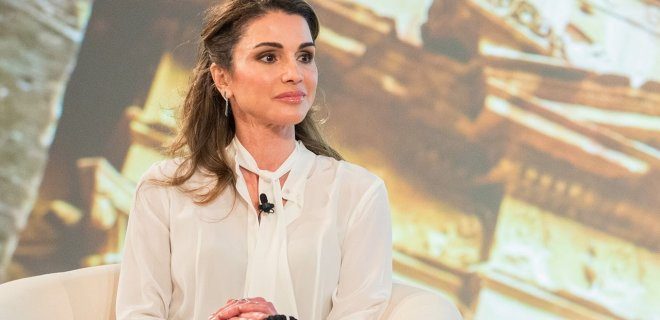
Lalla Salma’s Wealth and Humanitarian Focus
She isn’t just the wife of King Mohammed VI. She is a force in her own right within Morocco’s social fabric. Lalla Salma runs a cancer prevention association that operates across the country. It’s a serious commitment. Not a photo op.
Her net worth sits around $2.5 billion. That number is significant. It comes from a mix of royal status and private ventures. She lives in the Rabat Royal Palace. She raises her two children there. The privacy is absolute. The scrutiny is even more so.
Why does she focus on health? Because the stakes are high. Cancer kills quickly. Prevention slows it down. Her organization tackles that head-on. It’s not about charity for charity’s sake. It’s about infrastructure. It’s about early detection.
People ask how a royal figure maintains such a large fortune. The answer isn’t flashy. It’s steady. It’s the accumulation of assets over time. It’s the stability of the monarchy. It’s the lack of public market volatility for her personal holdings.
She doesn’t talk much. The silence is intentional. It keeps the focus on the cause. On the patients. Not on the billionaire status. That’s a trade-off. You give up celebrity. You gain respect.
The money buys influence. But the influence is used for something tangible. Hospitals. Screening programs. Public awareness. It’s a different kind of power. One that doesn’t make headlines until something goes wrong. And even then, the headline is rarely about her.
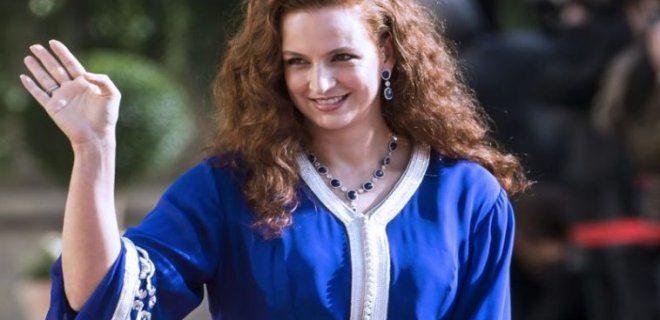
Rasha Khawaja: The Heiress Behind the $1.5 Billion Fortune
Rasha Khawaja isn’t just a name on a balance sheet. She is a tangible force in the global market, specifically where luxury meets necessity. Her investments span three massive sectors: food, lifestyle, and clothing. And she does it all from London, the world’s financial capital.
This isn’t amateur hour. In 2016, she took home the award for “Best Angel Ecosystem Engagement.” The industry noticed. The investors noticed. The money noticed.
Her lineage explains part of the equation. She is the daughter of Watıc Said, a Saudi businessman whose name commands respect in boardrooms from Riyadh to London. But the bloodline only opens the door. Rasha walks through it on her own merits.
The number that matters most? $1.5 billion.
That is her total net worth. It is not a theoretical figure. It is not a projection. It is the realized value of her business acumen combined with strategic positioning in high-growth markets. Why does this matter to you? Because it demonstrates how early-stage angel investing can scale into generational wealth when paired with the right sector focus.
She isn’t waiting for permission. She is active. She is investing. And at $1.5 billion, she is proving that the intersection of lifestyle brands and food innovation is one of the most lucrative playgrounds for modern capital allocation.
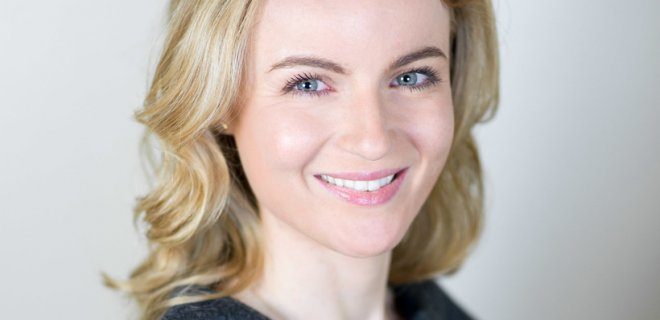
Inside the Wealth of Sheikha Moza bint Nasser
When you look at how Qatar has positioned itself on the global stage, you can’t ignore Sheikha Moza bint Nasser. She isn’t just a royal figurehead. She operates as a strategic investor in education and social infrastructure. Her net worth sits at roughly $10 billion, a number that reflects both her family’s vast petroleum wealth and her own extensive philanthropic footprint.
The Education Powerhouse
Most people know her through Qatar Foundation, but her real influence comes from the partnerships she builds. She didn’t just build a museum district in Doha. She invited world-class universities to set up shop there.
Think about it. You take a wealthy Gulf state. You offer tax incentives and land. Then you pull in top-tier institutions from the West. That is exactly what she did. The goal wasn’t just prestige. It was to create a knowledge-based economy that didn’t rely solely on oil.
How Her Wealth Works
Her $10 billion net worth is tied up in assets that are hard to liquidate quickly. We are talking about real estate, cultural institutions, and stakes in various development projects. This isn’t cash sitting in a savings account. It is capital deployed for long-term social impact.
The trade-off here is clear. She sacrifices immediate liquidity for influence. By controlling major educational and cultural hubs, she shapes policy and attracts global talent. That leverage is worth far more than a simple bank balance.
Why It Matters for Investors
You might wonder what a Qatari royal’s portfolio teaches an individual investor. The lesson isn’t about copying her investments. It’s about the vehicle. She uses foundations and trusts to manage wealth across generations. This structure protects assets from market volatility and political shifts.
It also shows the power of sector-specific investing. Instead of diversifying randomly, she doubled down on education and science. Those sectors have staying power. They outlast commodity cycles.
The Bigger Picture
Qatar is small geographically. It punches far above its weight economically. Sheikha Moza’s projects are part of that strategy. They turn soft power into hard economic value.
Does this model work for everyone? Probably not. It requires a unique starting position. But the logic holds up. Build institutions that last. Use wealth as a tool for development, not just consumption. That is a safer path than chasing the next viral stock.
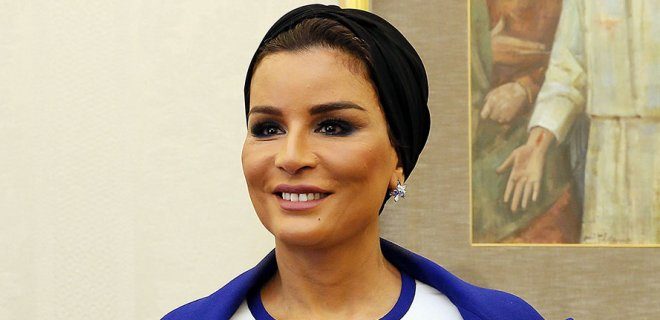
Haifa Wehbe Net Worth: How the Lebanese Star Built a $65 Million Empire
Haifa Wehbe isn’t just a singer. She is a brand.
The Lebanese icon has navigated the volatile entertainment industry with a strategy that goes far beyond hitting high notes. Her career spans five studio albums. She also stepped in front of the camera for two film roles. But the music and movies are just the entry point.
Her total net worth sits at an estimated $65 million.
That number doesn’t come from ticket sales alone. It comes from understanding leverage. Wehbe recognized early that fame is a currency, but ownership is wealth. She didn’t just perform; she positioned herself as a cultural touchstone in the Middle East.
The Architecture of Wealth
How do you turn pop stardom into a six-figure fortune? You diversify.
For Wehbe, the path wasn’t linear. It involved risk. The Lebanese music scene is competitive. To stand out, you need more than talent. You need visibility. And then you need to monetize that visibility across multiple channels.
Her five albums created the initial hook. The two films expanded her reach. But the real money? That’s usually in the margins. Brand endorsements. Appearances. The ability to command a fee simply by existing in the public eye.
Wehbe mastered the art of being indispensable to marketers.
Why $65 Million Matters
In the world of celebrity finance, most stars burn out. They spend faster than they earn. Wehbe’s valuation suggests a different outcome.
It implies a longer shelf life.
It means the assets held up against inflation and shifting trends. It’s not just about who was popular in 2005. It’s about who remained relevant enough to capitalize on that legacy in the subsequent decade.
Her net worth reflects a career that didn’t rely on a single hit. It relied on consistency. On staying in the room. On being the face of a generation that wanted to look like her.
The Trade-Off
There is a cost to this level of exposure. Privacy disappears. Judgment becomes public.
But for investors in the human capital of celebrities, the return on investment can be massive. Wehbe’s portfolio—music, film, image rights—shows a diversified approach to fame.
She didn’t bet everything on one album. She didn’t bet it all on one role. She spread the risk.
And when the market for celebrity influence stays hot, the payout follows.
$65 million is a lot of money. But it’s also a testament to timing. To knowing exactly when to step into the spotlight. And when to stay there.
The music fades. The films get rewatched. The image? The image compounds.
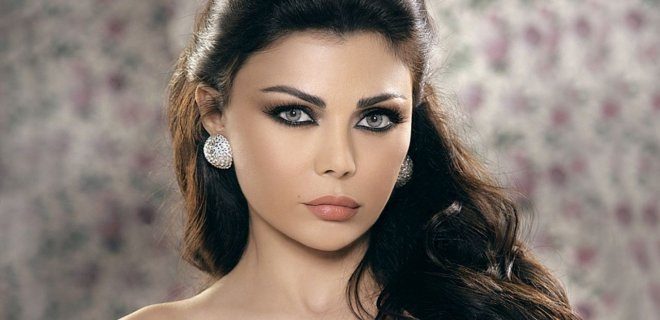
Hafizah Sururul Bolkiah: Brunei Prenslerinin Varlığı
Brunei Sarayı’nın 1,700 odalık labirentinde geçen hayatlar, dışarıdan bakıldığında gerçeklikle iç içe geçmiş bir fantezi gibi duruyor. Ancak Hafizah Sururul Bolkiah’nın finansal konumu, ailesinin devasa mal varlığına rağmen, bireysel bir statüye işaret ediyor. Toplam serveti 20 milyon dolar olarak ölçülüyor.
Bu rakam, dünyanın en zengin hanedanlarından biri olan Bolkiah ailesinin içinde küçük görünebilir. Onu listeden ayıran şey, bu sayının ailesinin toplam zenginliğini yansıtmasından ziyade, kendi kişisel mülkiyetini ve varlığını temsil etmesi. Ailenin diğer üyeleriyle kıyaslandığında daha düşük bir net değer sunsa da, 20 milyon dolar, çoğu kişi için ulaşılması zor bir finansal zirve.
Brunei’deki bu hanedanlık sistemi, gelir dağılımı ve devlet bütçesi konusunda sıkça tartışılıyor. Hafizah’ın varlığı, bu karmaşık ekonomik yapının sadece bir parçası. Servetinin kaynağı, petrol ve doğalgaz gelirlerinden gelen devlet fonlarına dayalı miras ve yatırımlardan geliyor. Bu tür geleneksel monarşilerde, bireysel servet ile devlet hazinesi arasındaki çizgi her zaman bulanık.
Ancak 20 milyon dolarlık net değer, bağımsız bir finansal güven sağlıyor. Bu miktar, lüks yaşam standartlarını sürdürmek için yeterliken, aynı zamanda ailenin diğer üyelerinden daha bağımsız bir pozisyon anlamına da gelebilir. Brunei krallığı içindeki bu konum, sadece para değil, aynı zamanda statü ve erişim ile ilgili.
Dünya çapındaki diğer taçlı ailelerle karşılaştırıldığında, Brunei hanedanının toplam mal varlığı çok daha yüksek olsa da, bireysel üyelerin sahip olduğu miktarlar genellikle daha kısıtlı tutuluyor. Bu durum, mirasın ve varlığın nasıl yönetildiği konusunda farklı yaklaşımlar olduğunu gösteriyor. Hafizah’ın durumu, bu dengenin bir yansıması.
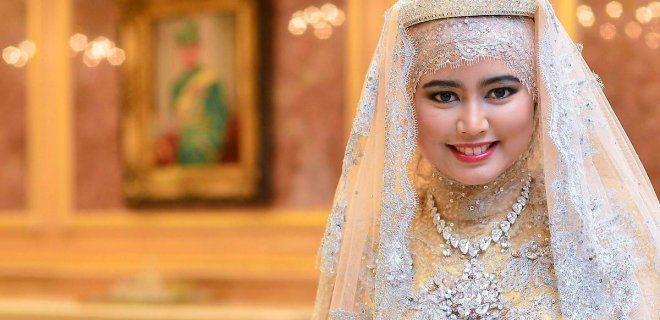
The Weight of the Crown: Sultanah Nur Zahirah’s Financial Reality
The title of Sultanah is not just ceremonial. It carries weight. And financial weight.
Nur Zahirah married Sultan Mizan Zainal Abidin in 2006. That year, her status changed. She became a royalty. But what is the actual cost of that crown?
Her net worth is estimated at roughly $15 billion.
This number is staggering. It puts her in rarefied air. Not many women on earth hold this kind of wealth. But here is the trade-off. You do not “own” this money in the traditional sense. You manage it. You protect it. You display it.
“Royalty is a public trust, not a private bank account.”
How Sultanah Nur Zahirah’s Wealth Works
Most people ask how someone accumulates this much. The answer is rarely entrepreneurship. It is succession.
The Zainal Abidin family controls vast assets in Kelantan, Malaysia. These are not stocks traded on the NYSE. They are land. Infrastructure. Legacy holdings.
- Land ownership : The royal family holds significant tracts of land.
- State-linked enterprises : Businesses tied to the sultanate’s economic interests.
- Public funding : Some resources come from state coffers, which blur the line between personal and public wealth.
This structure makes valuation tricky. Is the palace part of her net worth? Are the forests? The answer is often no. But the influence over those assets is real.
Why Net Worth Estimates Vary
You will see different numbers online. $10 billion. $20 billion. $15 billion is a midpoint. Why the variance?
- Opacity : Royal finances are rarely audited like public companies.
- Asset volatility : Land values shift. Currency fluctuations matter.
- Definition of “net worth” : Does it include debt? Liabilities? Private trusts?
Sultanah Nur Zahirah’s wealth is tied to the stability of Malaysia’s economy. If the ringgit drops, her real value shifts. If land prices spike, her paper wealth grows. It is not cash in a vault. It is exposure to real-world economic forces.
The Cost of Visibility
Having $15 billion visible changes how you live. Security costs skyrocket. Privacy vanishes. Every move is scrutinized.
This is the hidden tax of high-net-worth royalty. You cannot spend freely without triggering headlines. You cannot invest without considering political fallout. The constraints are real.
“Wealth at this level is less about spending and more about stewardship.”
Nur Zahirah’s story is not one of hustle. It is one of inheritance, duty, and the complex machinery of maintaining a dynasty. The money is huge. But so are the responsibilities.
Does the wealth buy freedom? Or does it buy a gilded cage?
The numbers are clear. The human experience remains ambiguous.
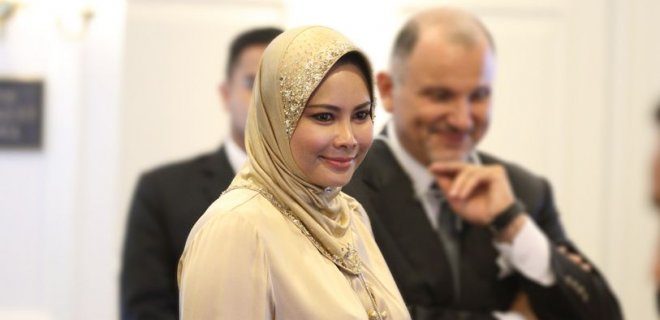
How Al-Mayassa bin Hamad Al Thani Built a Billion-Dollar Art Empire
She is not just a princess with a deep pocket. Al-Mayassa bin Hamad Al Thani controls one of the most aggressive art acquisition strategies in modern history. As the sister of Qatar’s ruling Emir, Tamer bin Hamad Al Thani, she sits on a net worth estimated at 1 billion dollars. But that number barely scratches the surface of her actual influence. Her wealth is tied up in physical assets—paintings, sculptures, installations—that she buys with a specific goal in mind.
“She doesn’t just buy art. She curates a legacy that outpaces inflation and speculation.”
The 250 Million Dollar Purchase Explained
The headline-grabbing moment came in 2015. Al-Mayassa purchased Leonardo da Vinci’s Salvator Mundi. The price tag? $250 million. It remains the highest price ever paid for a work of art at the time.
Why did she buy it? Not for decoration.
Al-Mayassa uses her platform to elevate Qatar as a global cultural capital. Her strategy involves acquiring rare, historically significant pieces that anchor major museum exhibitions. When you buy a da Vinci, you aren’t just buying pigment and wood. You are buying access. You are buying the right to display it. You are buying prestige.
Her Strategy for High-Value Art Investments
Al-Mayassa’s approach to high-value art investments differs from traditional collectors. Most buy for enjoyment or portfolio diversification. She buys for institutional weight.
- Acquisition focus: She targets works with irreplaceable historical provenance.
- Market impact: Her purchases signal confidence in the blue-chip art market, stabilizing prices for similar assets.
- Cultural leverage: Each purchase enhances Qatar’s soft power on the world stage.
This isn’t passive holding. It’s active curation. She lends these pieces to major institutions worldwide, creating a network of cultural influence that money alone can’t replicate.
Why This Matters for Your Financial Decisions
You can’t buy a da Vinci. You don’t need to. But Al-Mayassa’s strategy offers a template for understanding alternative asset allocation.
- Scarcity drives value. The most valuable assets are those with limited supply. Art fits this perfectly.
- Ownership isn’t just possession. It’s access to networks, status, and influence.
- Long-term holding beats short-term flipping. Her assets appreciate not because she sells, but because they exist.
Most investors chase liquid assets. Stocks. Bonds. Crypto. Al-Mayassa proves that illiquid, tangible assets can hold immense value when curated correctly. The risk is higher. The market is opaque. But the reward? Tangible. Permanent. Unreplicable.
Where to Look Next
If you’re building a portfolio, ask yourself: what assets are scarce? What assets hold value beyond their face price? Al-Mayassa’s art investment strategy isn’t about getting rich quick. It’s about getting rich permanent.
The question isn’t whether you can afford a masterpiece. It’s whether you’re thinking like a curator. Or just a consumer.
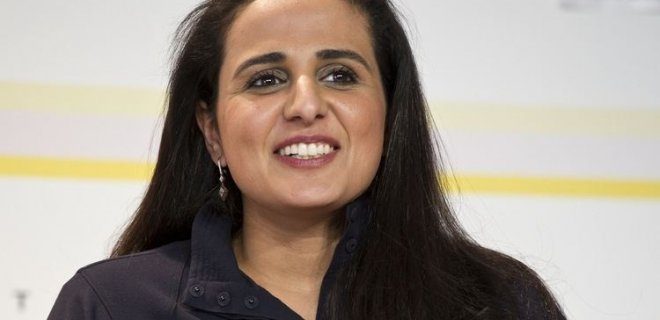
Haya bint al-Hussein is a name that doesn’t always make the standard Forbes lists. She isn’t a tech mogul. She doesn’t run a global manufacturing empire. Yet, her influence operates in a different bracket entirely.
She studied at Oxford University, a credential that signals access to elite networks but also requires navigating some of the most rigorous academic environments in the world. That education wasn’t just about getting a degree. It was about positioning.
Her primary label? Activist.
But in the context of Jordanian royalty, that word carries weight. It isn’t just about posting on social media. It’s about lobbying, diplomatic pressure, and shaping public policy in regions where the state and the monarchy are deeply intertwined.
Then there’s the number. Five billion dollars.
That figure represents her total estimated wealth. For most people, that is an incomprehensible amount of money. For a member of the Hashemite royal family, it is a baseline. But the source of that wealth is rarely discussed in mainstream business journalism. It isn’t generated from a single product or service. It is generated from ownership. From land. From historical assets that have appreciated over decades, if not centuries.
Why Her Model Matters
Most people think wealth comes from income. Haya’s model suggests wealth comes from equity in things that others can’t touch.
- She didn’t start a company.
- She leveraged a platform.
- She used activism to maintain relevance.
This is a crucial distinction. In a world where tech startups burn through capital trying to find product-market fit, she operates on legacy capital. The five billion dollars isn’t liquid cash sitting in a bank account. It is likely tied up in real estate holdings, family trusts, and strategic investments that are insulated from daily market volatility.
The Hidden Mechanics of Royal Wealth
How do you build a five-billion-dollar net worth without working a 9-to-5? You don’t. You inherit the platform.
The key here isn’t just the money. It’s the access. Being an activist allows her to move in circles that are closed off to standard entrepreneurs. When you are part of the royal family, even in a constitutional monarchy like Jordan, your voice has a different decibel level.
This creates a unique financial ecosystem.
- Low Operational Risk: Unlike a startup founder, her survival isn’t tied to quarterly earnings.
- High Social Capital: Her activism is a form of currency. It buys goodwill, political leverage, and protection.
- Asset Preservation: The five billion figure is likely static in terms of growth but massive in terms of stability. It doesn’t fluctuate with the S&P 500 in the same way a tech portfolio does.
Where the Opportunity Lies
If you are looking at this from a financial decision-making perspective, what is the takeaway?
It isn’t about trying to be royalty. It’s about understanding where value is actually stored.
Most people chase high-growth, high-risk assets. They think wealth is created by doing more. Haya’s profile suggests that wealth is often maintained by owning things that are difficult to replicate. Hard assets. Intangible influence. Deep-rooted networks.
The five billion dollars is a symptom of the structure, not the cause. The cause is
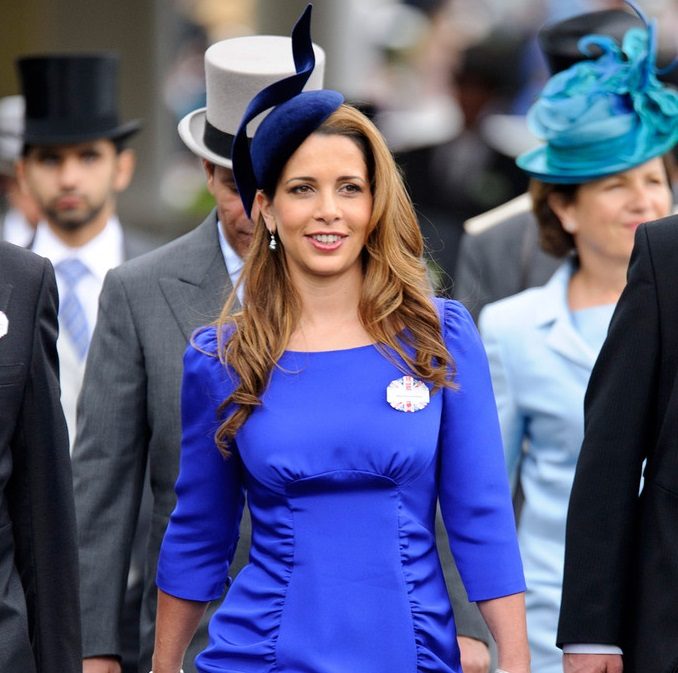
Malala Yousafzai’s Net Worth: The Financial Side of Activism
Malala Yousafzai isn’t just a Nobel laureate. She’s a brand.
The Pakistani activist, born in 1997, took home the Nobel Peace Prize in 2014. That win didn’t just bring prestige. It brought capital.
Her net worth sits around $2 million.
Where does that money come from? It isn’t a salary from the United Nations. It’s not a trust fund. The bulk of her wealth stems from high-profile speaking engagements and book deals. I Am Malala became a global bestseller. The memoir opened doors to major publishing contracts and lucrative public appearances.
Speaking fees for top-tier activists and authors can range widely. But when you add global recognition to the mix, the numbers shift.
The Nobel Prize itself doesn’t come with a massive cash prize. The monetary award is often less than people realize. But the platform it provides? That’s priceless. And that platform translates directly into income.
Books generate royalties. These aren’t one-time payments. They continue to pay out as long as the book sells. I Am Malala has remained relevant for years. That means ongoing revenue.
Then there are the partnerships. Brands and organizations align with her story. Sponsorships and endorsements follow the visibility.
It’s a different kind of wealth. Not inherited. Not corporate. Earned through influence and advocacy.
Is $2 million a lot? For a 20-something. Yes. But the real value lies in the leverage. That net worth funds the Malala Fund. It supports education initiatives in Pakistan and beyond.
The money isn’t just sitting in a bank account. It’s fuel for a movement.
The question isn’t whether she’s rich. It’s whether the financial strategy behind her brand is sustainable. And so far, the answer is yes.
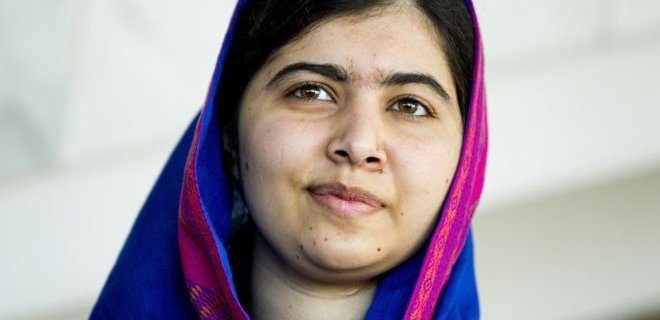
The Price of Proximity in Moroccan Business
Salwa Idrissi Akhannouch isn’t just a name on a corporate registry. She is the face of Aksal-Morocco Mall Group, a retail empire that dominates shelves from Agadir to Tangier. But the real story here isn’t the inventory. It’s the connection.
She is married to Aziz Akhannouch, Morocco’s most powerful politician and former president of the House of Representatives.
That link matters. A lot.
While official reports peg her net worth at around $1.5 billion, the number feels like an understatement if you look at the machinery behind the brand. How do you build a retail monopoly in a market that small? You don’t just open a store. You control the supply chain. You control the permits. And sometimes, you control the government officials who sign the permits.
Why Her Wealth Matters
People ask how a retail chain becomes worth billions in North Africa. The answer is rarely “better customer service.” It’s about scale and protection.
Moroccan retail is fragmented. Small kiosks everywhere. To win, you need logistics. You need cold storage. You need distribution centers that can reach every corner of the country before the fruit rots. Aksal built that infrastructure. They also built political cover.
When your spouse writes the laws that regulate business licensing, compliance, or land use, the playing field tilts. Permanently.
Is it illegal? Maybe not. Is it fair? Ask the competitor trying to enter the market with half the capital and none of the phone numbers.
The Human Cost of “Partnership”
We talk about wealth gaps in abstract terms. Gini coefficients. Percentiles. But for Salwa Idrissi Akhannouch, it’s personal.
Her wealth is tied to Aziz’s political survival. When he falls, the business faces scrutiny. When he rises, the business expands. It’s a feedback loop. A closed circuit.
Critics argue this isn’t entrepreneurship. It’s extraction. Using state power to siphon private value. Supporters call it “strategic alignment” between public interest and private efficiency. In Morocco, the line between the two is often invisible.
What to Watch Next
Regulators in Rabat have hinted at anti-monopoly investigations. Will they happen? Will they stick?
The market is holding its breath. If Aksal is forced to divest, or if new licenses are issued to competitors, the stock prices shift. The billions evaporate or materialize based on a signature.
That’s the risk. Not market trends. Not consumer behavior. Just one signature.
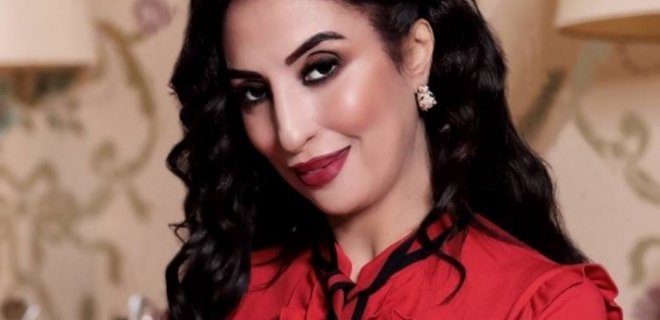
The Price of Fame in KSA
Emire El-Tavil isn’t just a name on a list. She’s a case study in modern visibility.
We’re talking about a Saudi Arabian influencer whose fame rests on two pillars: beauty and wealth. The numbers are specific. Her net worth crosses the $20 million mark. That’s not pocket change. That’s serious capital for a personal brand.
Most people see the Instagram feed. The flawless skin. The luxury cars. The vacations. They don’t see the mechanics behind the accumulation. But the asset is clear. It’s her image. And in the digital economy, image converts directly into liquidity.
Why the Number Matters
Twenty million dollars changes your relationship with risk.
For most creators, one bad algorithm update wipes out a month’s income. El-Tavil operates at a scale where those fluctuations are noise, not signals. Her wealth isn’t just from brand deals. It’s likely diversified, though the public record stops at the headline figure.
The source material highlights her nationality. Saudi Arabia. A country rapidly pivoting from oil-based traditionalism to a digital-first consumer culture. She sits right at that intersection. Her success isn’t accidental. It’s aligned with a market that is actively paying for aspirational lifestyles.
The Trade-Off
There’s always a cost to that visibility.
You trade privacy for profit. You trade autonomy for algorithmic favor. El-Tavil has chosen the latter. The result is a documented net worth of over $20 million.
Is it sustainable? Maybe. But the question isn’t whether she’s rich. It’s how the definition of “wealth” is shifting for the next generation of public figures. Money is no longer just what you own. It’s what you can show off. And show off she does.
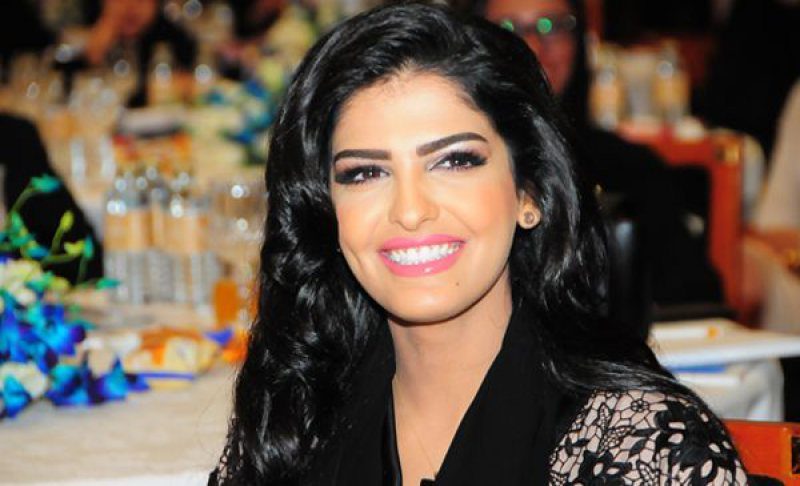
The Iman Abdulmajid Brand Beyond Modeling
She didn’t just walk onto runways. She stayed there.
For a decade, Iman Abdulmajid defined high-fashion. You saw her in every major magazine. Vogue. Harper’s Bazaar. The glossy pages that dictated taste for millions. But beauty alone doesn’t generate nine figures. Not at the scale we are talking about here.
Her net worth?
It cracked the $100 million mark.
That number sticks in your head. It should. Because it proves something critical about modern wealth building. The model who became a mogul.
Most people think of her as the face of Estée Lauder. The first Black woman to land that contract. A historic milestone. And yes, that deal was massive. It opened doors that were previously welded shut.
But look closer at the balance sheet.
The $100 million figure isn’t just endorsements. It isn’t just magazine covers. It’s the business acumen.
Iman Abdulmajid understood early on that a face fades. A brand endures.
She leveraged her image to launch her own line. Cosmetics. Skincare. Products that carried her name. Not as a licensee, but as a partner with skin in the game.
This is where the “how” matters.
She didn’t just pose. She negotiated. She took equity. She built an empire on the back of her likeness, then diversified.
Consider the trade-off.
High-profile modeling pays well. It pays very well. But it is volatile. One bad year. One shift in aesthetic. You are out.
Business ownership? That is slower. Harder. But it compounds.
Iman Abdulmajid played the long game. While peers chased viral moments, she chased assets.
The result is a portfolio that includes:
– Strategic brand partnerships
– Her own beauty line
– Long-term equity stakes
This isn’t a story about luck. It’s about leveraging visibility into value.
You look at her today and see the model. The icon. The timeless beauty.
But the money tells a different story. It tells the story of a woman who refused to be a passive icon. She became the engine.
And that $100 million? It’s not just a number. It’s the receipt.
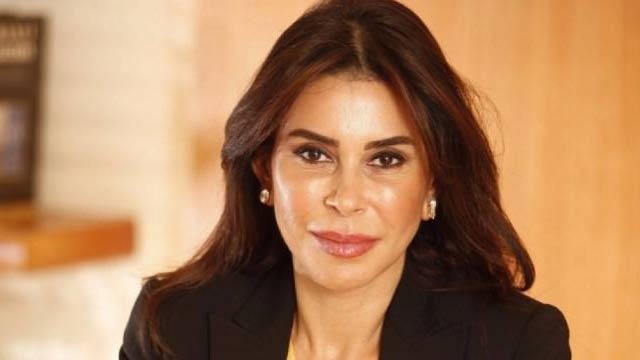
Serra Sabancı’s $2.5 billion stake in Turkey’s business landscape
Serra Sabancı stands as one of Turkey’s most influential figures in the private sector. She is not a distant relative of the family empire but sits at its core. Specifically, she is the daughter of Özdemir Sabancı and the sister of Sakıp Sabancı.
Her personal net worth sits at approximately $2.5 billion. This is not just a number on a page. It reflects decades of strategic positioning across multiple industries.
Where the money comes from
She does not rely on a single source of income. Her wealth is diversified. Investments span various sectors within Turkey. This diversification protects against market volatility. It also allows her to capitalize on growth in different economic zones.
The Sabancı family name carries weight. It signals trust and longevity in global markets. Serra leverages this reputation. She uses it to secure partnerships and drive new ventures.
Why her portfolio matters to investors
Watching her moves offers clues. The Turkish market is complex. Political shifts and currency fluctuations create noise. A focused investor can learn from how established players navigate this.
Serra’s approach is not about hype. It is about steady growth. It is about maintaining assets that hold value over time.
The human side of the wealth
Behind the balance sheet is a person who has managed complex legacies. She balances personal ambition with family responsibility. The $2.5 billion figure is a result of careful stewardship. It is not a windfall. It is the outcome of long-term planning.
For those looking to understand high-level finance, her career provides a case study. How do you build wealth across generations? How do you keep it growing? Serra Sabancı’s story holds answers. The details are in the investments. The strategy is in the persistence.
The End Game
The final days of a rollout feel different. The energy shifts from building to breaking. You stop adding features. You start looking for cracks.
This is where most companies fail. They think the hard part is launching. It’s not. The hard part is keeping it from falling apart under real pressure.
Pressure Testing
Stress testing isn’t about seeing if the code works. It’s about seeing where it breaks when ten thousand people click “buy” at once.
Most teams simulate this. They use fake data. They pretend to be users. But real users are chaotic. They refresh pages. They abandon carts. They make typos.
“Simulations lie. Real chaos tells the truth.”
You need to replicate that chaos. Not perfectly. Just closely enough to see the limits. If your server handles 10,000 requests a second, test it with 15,000. Watch it sweat.
See which database queries slow down. Watch which API endpoints time out. These aren’t bugs. They’re design flaws hiding in plain sight.
Fixing them now costs pennies. Fixing them after launch costs millions in lost revenue and reputation.
The Silence After Launch
Launch day is loud. It’s noisy. It’s exciting.
The day after is quiet. That’s when you listen.
Are people complaining in support tickets? Are they leaving one-star reviews? Are they asking for features you didn’t build?
Silence isn’t always good. Sometimes it just means people gave up. They tried. It didn’t work. They left.
Monitor your key metrics. Not just revenue. Look at retention. Look at engagement. Look at churn.
If retention drops after the initial hype fades, you have a product problem. Not a marketing problem. Fix the product.
The Cost of Perfection
Perfection is expensive. It’s also impossible.
You can’t build everything. You can’t fix everything. You have to choose what matters.
What’s the minimum viable product? Define it. Stick to it.
Add features only if they drive value. Not if they look cool in a pitch deck.
The Long Tail
The launch is just the beginning. The long tail is where you make or break your business.
It’s the slow grind of improvement. Of listening. Of adapting.
It’s not glamorous. It’s not exciting. But it’s where the money is.
Stay sharp. Stay humble. Keep building.