Air New Zealand started life as a joint venture. In 1939, it was called Tasman Empire Airways Limited or TEAL. The ownership split was messy. New Zealand held half the shares. Australia took 30 percent. Britain kept the remaining 20 percent. That British stake didn’t last. They pulled out in 1953. By 1961, New Zealand owned it all.
The company began flying in 1940. It used flying boats. The route connected Auckland and Sydney. You can picture that. Seaplanes sliding over the Pacific. It wasn’t fast by today’s standards. But it worked.
How Air New Zealand Expanded Its Route Network
The expansion didn’t stop there. The 1950s brought growth. Tahiti was added in 1951. Los Angeles followed in 1965. Then came Hong Kong and Singapore in 1966. The airline was covering the South Pacific. It reached from New Zealand and Australia to distant hubs in Asia and the US.
The name changed in 1965. TEAL became Air New Zealand. It was a cleaner brand. The old name tied it to empire days. The new name stood on its own.
Business Structure and Acquisitions
Going public happened in 1989. The company opened its shares to the market. That brought a lot of attention. But the real shakeup came later. Between 1996 and 2000, Air New Zealand bought assets from Ansett. Ansett was Australia’s main domestic carrier. The collapse of Ansett left a gap. Air New Zealand filled it.
Today, the headquarters stay in Auckland. The core business remains simple. Passenger transport. Cargo transport. Nothing fancy. Just moving people and goods across long distances.
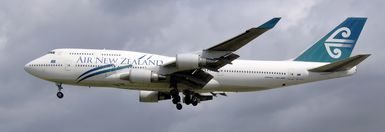
The Boeing 747-400 became an icon for the airline. You’ve likely seen the photos. The double-deck hump. The four engines. It wasn’t just a plane. It was a statement. Air New Zealand flew these giants for decades. They defined an era of long-haul travel.
Why did they choose this path? The geography demands it. New Zealand is isolated. You need big planes to cross big oceans. The 747 did the job. It carried enough fuel. It carried enough passengers to make the route profitable.
The ownership history shows a shift toward independence. Starting with three countries. Ending with one. That independence allowed for strategic moves. Like buying out Ansett. It allowed for bold branding. The silver fern logo. The black and white livery. It all ties back to that 1961 decision.
Now, the airline operates a modern fleet. The 747s are mostly gone. They’ve been replaced by more efficient jets. The history remains. The routes remain. Auckland is still the hub. The business model hasn’t changed much. Move people. Move cargo. Make the money work.
It’s a straightforward story. But the execution is what matters. Flying boats to jets. Joint venture to sole owner. Regional player to international carrier. The numbers add up. The history is clear. The future is just another flight path.