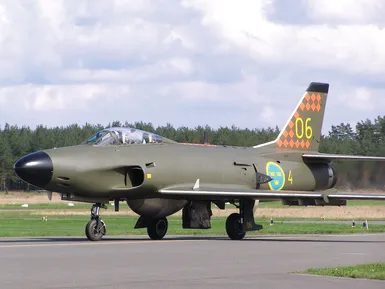
The image of a Saab 32 Lansen fighter jet at the Kristianstad Airshow in 2006 is a stark reminder of the company’s origins. It wasn’t always about electric vans or defense drones. Saab AB began as Svenska Aeroplan Aktiebolaget in 1937. They built planes. For a decade, that was it. Aviation was the sole focus.
Then things got complicated. By the mid-1940s, Saab started making cars. Why? Diversification. Survival. The name changed to Saab Aktiebolag in 1965. Two years later, the merger with Scania-Varbis created Saab-Scania AB. This entity became a global powerhouse. You likely knew the car. Or the truck. Scania diesel engines powered marine and industrial equipment worldwide. But the defense side never disappeared. Missiles. Avionics. Computer systems. These were always part of the mix.
The split happened in 1990. The automotive division, Saab Automobile AB, was spun off. It became independent from the defense giant. Then General Motors bought in, taking full ownership by 2000. GM saw value in Saab’s engineering. Saab needed GM’s capital. It looked like a solid partnership until the market crashed.
The Collapse of the Automotive Division
The financial crisis hit hard. Demand for American cars plummeted. Saab Automobile struggled. Ford’s Volvo division was in the same boat. In December 2008, the Swedish government stepped in. They approved a 28 billion kronor aid package for both companies. That was roughly $3.4 billion. It wasn’t a gift. It came with strings attached. Emergency loans. Credit guarantees. R&D funding. The goal was to keep them afloat.
It didn’t work. By February 2009, Saab Automobile filed for creditor protection. Restructuring began immediately. GM was already pulling away. They wanted out. General Motors sold the struggling brand to Spyker Cars NV, a Dutch automaker, in 2010. Spyker saw potential. The market saw a sinking ship.
Saab Automobile continued to bleed money. Financing attempts failed. Again. And again. The debt piled up. In December 2011, the company filed for bankruptcy. The brand name survived, but the car-making business as it was known, ended.
From Bankruptcy to Electric Vehicles
Who bought the wreckage? Not a legacy automaker. Not a luxury conglomerate. The assets were purchased by National Electric Vehicle Sweden, known as NEVS. It was a start-up. A small player compared to GM or Ford.
This acquisition marked a complete pivot. NEVS wasn’t building combustion engines. They were building electric vehicles. The legacy of Saab’s engineering—the safety, the aerodynamics—was repurposed for a new era. The defense contractor, Saab AB, remained independent after the 1995 dissolution of Saab-Scania. Its 2000 acquisition of Celsius, a military products manufacturer, had cemented its role in defense. They continued to build missiles and electronics. They stayed out of the auto business.
The automotive side, however, had to start over. NEVS took over the intellectual property. The factory in Trollhättan remained, but the focus shifted. The Lansen jets of 2006 are relics. The electric cars of today are the new reality.
Why did it take a start-up to save the brand? Legacy automakers were distracted. They were cleaning up their own messes from the 2008 crash. Spyker lacked the capital to sustain the turnaround. GM had already cut losses. NEVS had a different vision. Electric. Sustainable. Connected.
The transition wasn’t