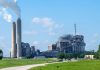
Petróleos Mexicanos, known globally as Pemex, isn’t just a company. It’s a pillar of the Mexican state. For decades, it was the engine room of the national economy. At its peak, the state-owned producer, refiner, and distributor of crude oil and natural gas contributed up to one-third of Mexico’s federal budget. That’s massive. But today, that dominance is fracturing. The company’s share of the national GDP has plummeted. Its headquarters remain in Mexico City, but the power behind its pipelines is slipping away.
From Global Giant to Struggling Monopoly
Commercial oil production in Mexico started small in 1901 at Ebano, near Tampico. By the first quarter of the 20th century, Mexico was pumping out nearly a quarter of the world’s oil. Most of it? Controlled by U.S. and British firms.
But the 1930s changed everything. Huge fields opened in Texas and the Middle East. Mexico’s own reservoirs started drying up. Tension between the Mexican government and foreign oil giants boiled over. Then, on March 18, 1938, President Lázaro Cárdenas expropriated all foreign oil interests. He created Pemex to manage the consolidated industry. The goal was clear. Enforce the 1917 federal constitution, which stated that all subterranean mineral resources belong to the Mexican people.
Pemex didn’t waste time. It sank hundreds of exploration wells annually. In the 1970s, it tapped into massive new reserves in Tabasco, Chiapas, and the Bay of Campeche in the Gulf of Mexico. The strategy worked. Crude oil production tripled between 1976 and 1982. Mexico became self-sufficient. Pemex became a major global exporter.
The Slow Bleed of Decline
The fall didn’t happen overnight. It started in the early 21st century. The giant Campeche oil fields entered a precipitous decline. Pemex was bleeding money, much of which was siphoned off to cover federal budget deficits. There was no capital left for new exploration.
Even worse, Pemex lacked the technical expertise for deep-water drilling far offshore. Geologic surveys showed huge reserves lay there. But the constitution prevented Pemex from granting production rights to foreign companies that actually had the technology to access them.
The result was stark. From 2004 to 2010, crude oil production dropped by almost one-third. It went from roughly 3.5 million barrels per day down to about 2.5 million barrels per day. Less oil meant less revenue for Pemex. Less revenue meant less money for government programs.
Reform Backfires and Debt Mounts
Congress tried to fix this in 2008. They passed energy reforms allowing Pemex to contract foreign and private companies for a fee. The idea was to bring in capital and expertise. They also tried to depoliticize supervision with transparent accounting and professional appointments.
These moves were controversial. Critics argued they threatened public ownership. Supporters doubted foreign firms would bother signing contracts for such modest terms. The landscape shifted dramatically in 2014. President Enrique Peña Nieto oversaw reforms that finally opened the door to foreign competition.
Foreign companies began exporting oil to Mexico and exploring within its borders, especially offshore. With its monopoly broken, Pemex’s earnings crashed. By the end of the 2010s, it stood as one of the most-indebted oil companies in the world.
A Return to State Control?
Andrés Manuel López Obrador took office in 2018 with a different agenda. He wanted to restore Pemex’s dominance. In April 2020, Congress amended the Hydrocarbons Law. This move terminated the Energy Regulatory Commission’s ability to regulate Pemex’s sales of petroleum products, gas, and petrochemicals.
The aim was to reinvigorate Pemex’s market power. To reverse the trend of decline. To put the state back in charge. But can a company that lost nearly a third of its output in six years simply legislate its way back to glory? The debt remains. The technology gap persists. And the global demand for fossil fuels is shifting.
“When Andrés Manuel López Obrador became president in 2018, he was determined to restore Pemex’s dominance of the Mexican market.”
The experiment continues. The question is whether political will can bridge the gap between constitutional ideal and geological reality. Pemex remains central. But its future is far from guaranteed.