The market for robotic pool cleaners has evolved significantly, moving from simple floor vacuums to sophisticated, autonomous machines. However, as technology advances, so does the complexity of choosing the right model. In this industry, price is a direct indicator of performance; while budget options under $350 exist, they are generally only suitable for small wading pools and lack the power required for standard residential swimming pools.
For those looking to invest in a high-performance cleaner—with premium models reaching up to $3,000 —understanding the technical nuances is essential to ensuring a return on investment.
Key Features to Evaluate
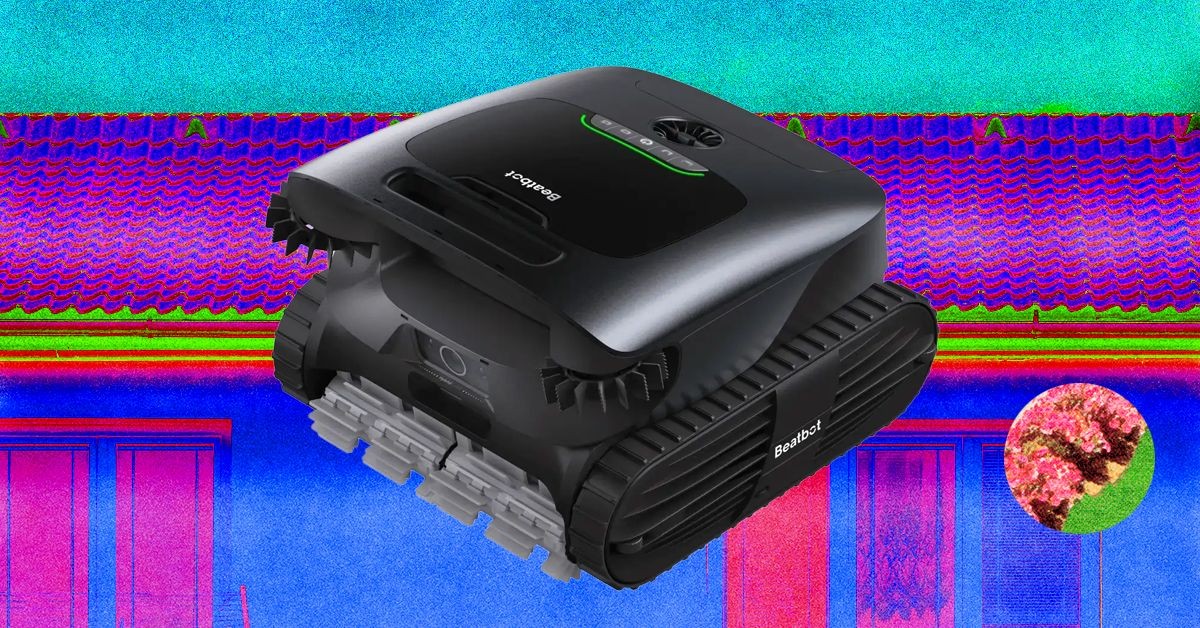
When comparing brands like Beatbot, iGarden, and Dreame, do not rely solely on marketing claims. Instead, evaluate these critical performance metrics:
1. Cleaning Depth and Surface Coverage
- Wall and Waterline Scrubbing: A truly effective robot should not just clean the floor. It must be able to climb walls and scrub the waterline. This is vital for removing algae and preventing the “scum line”—a stubborn ring of debris and oils that can stain expensive pool tiles.
- Skimming Capabilities: Some advanced models can skim the water’s surface, collecting floating debris before it even sinks. This can significantly reduce the workload on your pool’s built-in skimmer system.
- Filtration Quality: Ensure the device features a fine-mesh filter capable of capturing not just large leaves, but also fine silt, sand, and microscopic dirt.
2. Operational Logistics
- Battery Life vs. Rated Capacity: Be cautious of manufacturer specifications regarding “maximum pool size.” In practice, a robot often performs most effectively on a pool that is only one-quarter to one-half of its rated capacity.
- Ease of Retrieval: One of the most overlooked frustrations is getting the robot out of the pool. Look for models with waterline retrieval, which allows the robot to float to the surface when finished, rather than requiring a manual hook and pole.
- Automation and Connectivity: Modern high-end robots often feature Wi-Fi connectivity and mobile apps, allowing you to schedule cleaning cycles and monitor progress remotely.
3. Physical Practicality
- Weight and Maneuverability: Larger, more powerful robots are often heavier. Consider whether you will be comfortable lifting the unit in and out of the water regularly.
The Great Debate: Corded vs. Battery-Powered
One of the most significant decisions a buyer faces is choosing between a traditional corded model and a modern cordless (battery-powered) unit.
| Feature | Corded Robots | Battery-Powered Robots |
|---|---|---|
| Runtime | Virtually unlimited; can run indefinitely. | Limited by battery capacity; requires recharging. |
| Convenience | Requires managing long, often unsightly cables. | Completely wireless; no cable tangles or trip hazards. |
| Maneuverability | Can be hindered by cable drag and coils. | Highly agile and easy to navigate. |
| Cost | Generally more affordable. | Often carries a premium price tag. |
Safety and Reliability
There has been recent public concern regarding the safety of lithium-ion batteries in pool robots following isolated reports of fires. While this is a valid consideration, it is important to note that this risk is inherent to almost all modern lithium-ion technology, including laptops and electric vehicles.
The Verdict on Power
While corded robots remain the superior choice for exceptionally large pools that require constant, non-stop cleaning, the industry trend is shifting toward battery-powered models. For the vast majority of homeowners, the convenience of a cordless experience—avoiding the hassle of managing a 70-foot cable—outweighs the benefit of infinite runtime.
Summary: While corded models offer unlimited endurance for massive pools, most users find that the maneuverability and convenience of battery-powered robots provide a much better daily experience.