
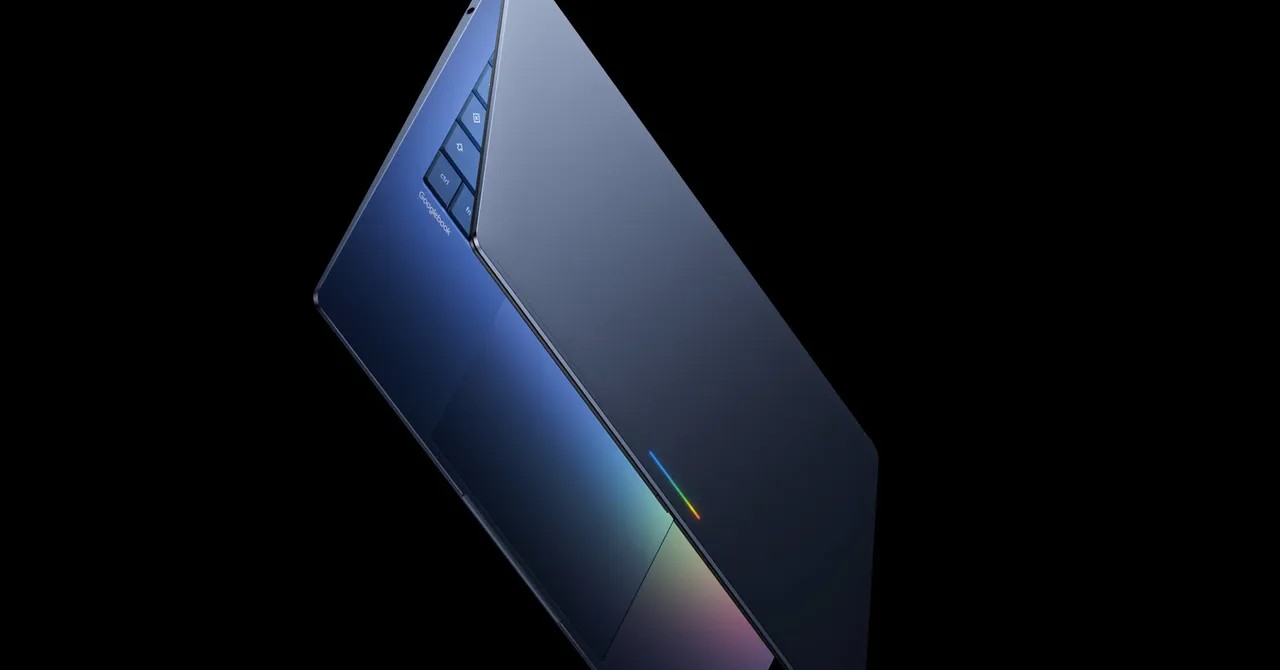
Fifteen years after Chromebooks revolutionized the education sector with affordable, web-centric computing, Google is launching a new laptop platform designed for a different audience. Googlebook is an AI-powered device built on Android technology, aiming to capture the premium laptop market rather than replace the existing Chromebook lineup.
Major hardware manufacturers including Dell, Acer, Asus, HP, and Lenovo have committed to producing Googlebooks later this fall. While the operating system remains unnamed (internally codenamed Aluminium OS), the platform represents a strategic shift: moving Android from mobile screens to desktop environments with deep artificial intelligence integration.
The Strategic Shift: From Web-First to AI-First
The core differentiator of Googlebook is its foundation. Unlike ChromeOS, which was built for a “web-first” era and relied heavily on browser-based applications, Googlebook leverages the rapid innovation of the Android ecosystem.
Alexander Kuscher, Senior Director at Google leading Android tablets and laptops, explains that this architecture allows laptops to sit at the “tip of the innovation wave.” Because Googlebooks are built on Android technologies, new AI features rolling out to phones—such as those in the upcoming Android 17 update—will immediately be available on the laptop. This solves a historical friction point where Chromebooks often lagged behind mobile devices in feature adoption due to separate development cycles.
Key Features and AI Integration
Googlebook introduces several distinct capabilities designed to enhance productivity through generative AI:
- The Magic Pointer: Developed with Google’s DeepMind team, this feature uses cursor movement to trigger contextual AI suggestions. For example, wiggling the cursor over a date in an email can prompt Gemini to schedule a calendar event, while selecting multiple images can offer merging options. This is a native Googlebook feature, not simply an extension of Android desktop mode.
- Generative Widgets: Users can create custom widgets by speaking naturally with Gemini. Whether needing real-time currency exchange rates for travel or specific weather data like wind speed, users can generate these tools on the fly.
- Adaptive Apps: Addressing the traditional limitation of Android apps on larger screens, Googlebook encourages developers to create “desktop-grade” versions of their applications. These apps have deeper access to hardware and the OS, offering capabilities beyond simple screen scaling. Kuscher notes that even core apps like Chrome will have native desktop versions optimized for this platform.
Design and Hardware Identity
Googlebook is positioned as a premium device, featuring “premium craftsmanship and materials” and supporting both ARM and x86 processor architectures. A key visual identifier is the Glowbar —a LED strip along the hinge that displays Google’s signature colors.
“It’s a brand element that presents you as a unified category… Plus, we were able to make it something that is functional—it doesn’t just glow the Google colors. It has a few other functions and Easter eggs that make it a bit more fun and functional.”
— Alexander Kuscher, Senior Director at Google
The Glowbar is deliberately oriented away from the user when the laptop is open, serving as a subtle yet distinct branding element that avoids plastering logos on the device.
Ecosystem Integration and Market Position
Googlebook is designed to be the “best device for Android users.” It offers seamless continuity between phone and laptop:
* App Continuity: Android phone apps can be opened directly on the laptop.
* File Access: The Googlebook Files app can search for and open documents stored on a paired Android phone.
* Cross-Platform Limitations: While Google is building cross-device experiences, integration with iPhones will be restricted by platform limitations, making Android phones the primary companion device.
What Happens to Chromebooks?
Despite the launch of Googlebook, Chromebooks are not being discontinued. Google remains committed to the Chromebook ecosystem, particularly for education, institutional, and business users. New Chromebook models are still in development, and existing devices will continue to receive updates for up to 10 years.
Googlebook and Chromebook serve distinct purposes: Chromebooks remain the affordable, web-focused workhorse for mass markets, while Googlebook targets power users seeking a premium, AI-driven desktop experience rooted in Android.
Conclusion
Googlebook represents Google’s attempt to mature Android into a serious desktop contender by leveraging AI and deeper hardware integration. By partnering with major manufacturers and focusing on premium design and adaptive applications, Google aims to compete directly with Windows and macOS in the high-end sector, while maintaining its stronghold in the education market through Chromebooks.