
Mexico City is sinking. Fast. A new NASA map paints a grim picture, showing the ground dropping up to 2 centimeters a month in some spots. It’s uneven, unpredictable, and entirely unhappening above our heads.
We have other problems too. Or rather, we have other stories.
Materials From Disaster
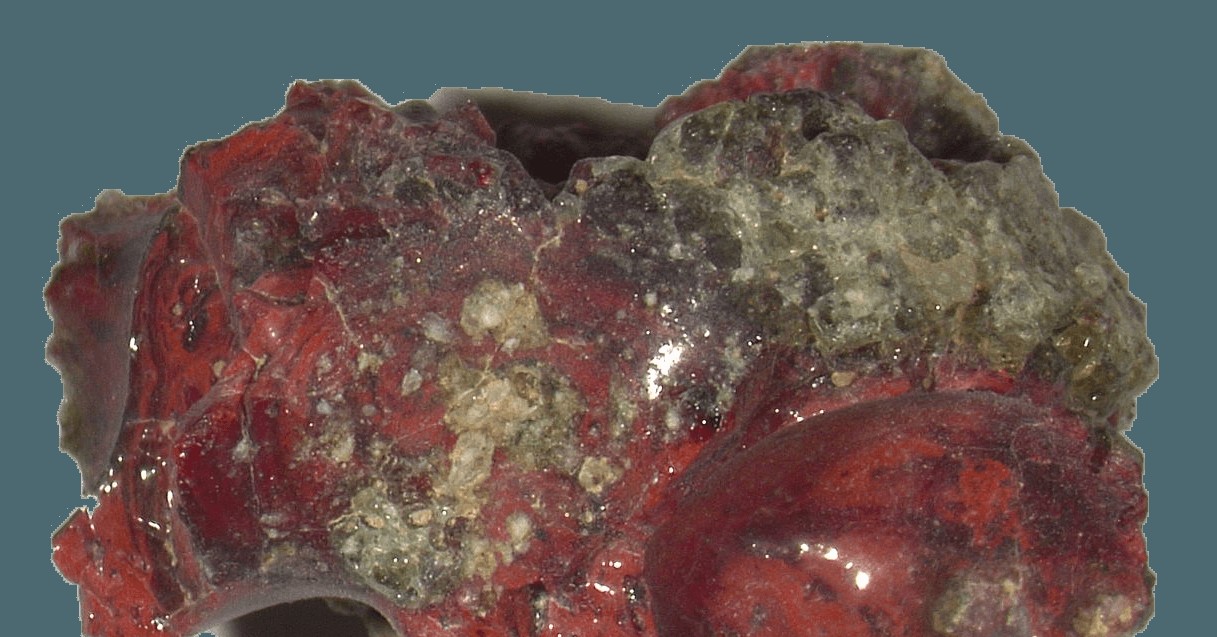
1945 gave us the bomb. It also gave us a brand-new material in the process. First atomic test. One explosion. A chemical signature that didn’t exist before.
In Gaza, the destruction is providing its own building materials. With supply lines choked and reconstruction gear blocked, Palestinians are recycling the war itself. They crush rubble into Lego-like interlocking blocks. It’s a shelter made from the evidence of its own destruction.
War reshapes the environment long after the guns go silent.
Iran’s conflict is poisoning the soil, leaking oil, and filling the sky with toxic smoke. The damage isn’t just political. It’s ecological.
Animals Under Pressure
Scientists hooked salmon on cocaine. Yes, really. Wild fish exposed to the drug or its metabolites stopped acting like normal fish. Lab results held true in the wild. They drifted. They stalled.
Then there’s the curiosity rover. Its drill got stuck. Rock-hard. It took nearly a week to fix a problem NASA had never faced before. First time for everything.
Iran’s navy is gone, shattered by US-Israeli raids. But they’re back, just smaller. Tiny ‘mosquito’ boats are cluttering the Strait of Hormuz, clogging every passageway. Asymmetric warfare looks like traffic jams now.
The Mind and The Microbe
New antibiotics are brewing from unlikely sources: scorpion venom and habanero peppers. They’re targeting tuberculosis and other drug-resistant bugs. Spice and venom as medicine. Who saw it coming?
Immunologist Daniel Davis says we’re finally cracking the nanoscale secrets of the immune system. New tech means we actually see what’s happening inside.
The UK’s ARIA project wants to rewire the human brain. Billion-dollar budget. Big aims. Epilepsy, Alzheimer’s, all of it.
And the digital war has older roots than you think. Fast16, a sabotage malware, predates Stuxnet. Created in 2005, likely by the US or an ally, it tampered with simulation software silently. Iran’s nuclear program might have been the target.
Want to look away from all this? Good luck.
Look Up
Between April 21 and the early morning of April 22, the Lyrids peak. Aim for the right patch of sky. You might catch 15 to 20 meteors an hour.
Better get outside soon. The ground might not be there tomorrow.