
SUVs are comfortable. They sit high. You see everything coming at you. That view? It’s nice. It’s also expensive.
Gas bills climb. Insurance costs creep up. Repair bills don’t discriminate. You’re paying a premium for air space and curb appeal that you might not even need anymore.
Here’s the hard truth: retirees driving big trucks or crossovers are throwing money at the pavement. Not literally, but financially. Close.
Downsize. It isn’t just about saving pennies at the pump. It’s about driving something that feels yours again instead of something that feels like a appliance.
The Swap List
These aren’t toy cars. They are full-grown sedans (mostly) with space, reliability, and price tags that won’t induce panic attacks.
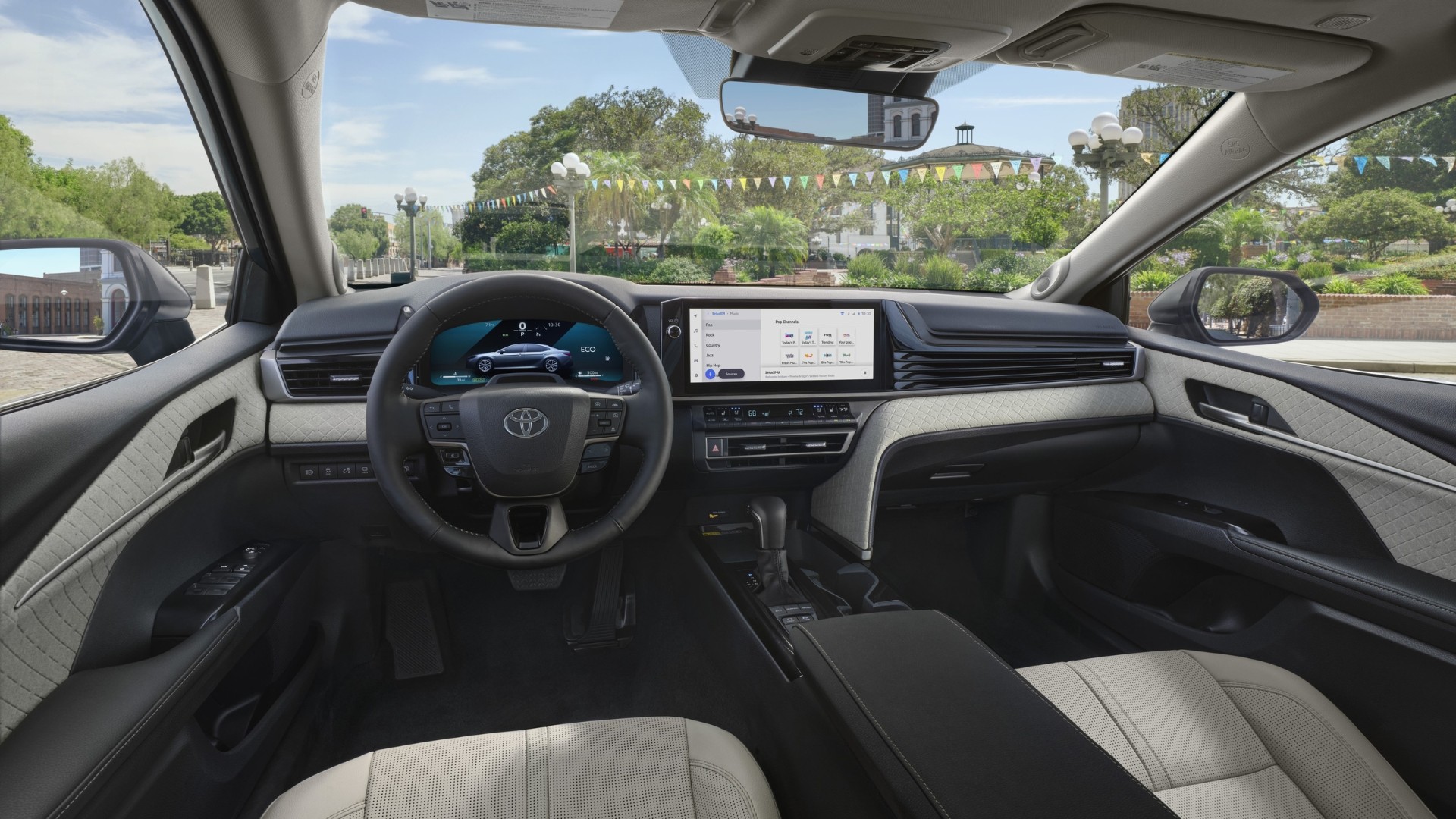
1. 2026 Toyota Camery
MSRP: $29,105 – $37,028
The Camry doesn’t look like much. It’s the vanilla ice cream of the midsize segment. Boring? Maybe. Reliable? Absolutely.
It gets 53 mpg combined. Think about that for a second. Most SUVs are begging for help just to hit 25. You can take long drives, visit grandchildren across state lines, and not budget half your trip cost into gasoline.
There is also an all-wheel-drive option. Snow? Ice? Slick leaves in October? You get that control without the bulk. The trunk holds 15.1 cubic feet. Enough for suitcases, enough for groceries, enough to prove you don’t need a minivan to go anywhere.
2. 2026 Honda Accord
MSRP: $29,325 – $41,215
Car and Driver gave it a perfect 10/10. It sits on their “10Best” list like a tenant who always pays rent on time and mows the lawn.
Interior space is generous. Storage compartments abound. If you have the hybrid model, you are saving serious cash and feeling good about it environmentally. If money is tight right now, the base LX starts under $30k.
Don’t worry too much about the 2024 mpg ratings because they didn’t drop. The 2023 non-hybrid pulled 32 mpg. For 2026? It will be at least that, likely better. It is solid. Economical. A choice that doesn’t ask you to compromise.
3. 2026 Civic
MSRP: $24,230 – $28,040
Cheap doesn’t mean flimsy. The Civic is proof of that. Edmunds scored it 7.9/10. That’s a passing grade that borders on an honor roll entry.
Sharp handling. Roomy seating for adults who grew up thinking compact meant cramped. It’s gone now. The Sport Hybrid variant smokes the competition with 50 mpg combined. Compare that to any crossover you see idling in line at the post office. You save on fuel. You keep dignity in the backseat.
4. 2026 Hyundai Soneta
MSRP: $27,025 – $33,830
People forget this car has grown. Hyundai fixed whatever minor quirks annoyed drivers before. Now, they added a few nice features like better sound isolation, smoother power delivery, and tech that doesn’t force you to read the manual in small font.
Hyundai’s hybrid version? It gets 43 mpg. And here’s the kicker—the base model costs under $27k.
$27k. For a full-size sedan that feels expensive, rides smoothly, and offers decent cargo space? That’s absurdly good value. Retirees want comfort. They want space for grandkids to sleep. This car delivers. It does so while costing almost half what a luxury crossover asks.
5. 2024 Kia Soul EV (or Gas)
MSRP: $23,610
Not feeling ready to abandon the tall driving position? Fair. The Kia Soul is the middle ground.
It is a small SUV. Or a large hatchback. Or whatever you want it to be. It seats five. It folds down completely. And the base gas model sits at roughly $20k before options creep in.
Is it fast? No. Is it practical? Yes. Fuel economy lags behind sedans—about 33 mpg for the base gas. But look around your street. Count the massive crossovers guzzling fuel and taking up three parking spaces. Then look at your Soul. It fits where they don’t. It costs less than they do. That math works for retirees who value pragmatism over bravado.
Changing cars isn’t failure. It’s strategy. Your body changes. Your miles shrink. Your priorities shift from hauling snowblowers to hauling memories.
Do you really need another six inches of shoulder room when the roads are getting harder to climb anyway? Maybe not.