The next time you put on a pair of headphones, they might be doing much more than playing music—they could be reading your mind.
Boston-based startup Neurable has announced a major strategic shift. Instead of just manufacturing its own hardware, the company is moving to a licensing model. By certifying third-party manufacturers, Neurable aims to embed its noninvasive brain-scanning technology into a wide array of consumer electronics, ranging from gaming headsets to smart glasses.
From Niche Hardware to Ubiquitous Tech
Until now, Neurable’s presence in the market has been defined by specific products, such as its high-end headphones developed with Master & Dynamic. These devices use electroencephalography (EEG) sensors to monitor brain waves, providing users with insights into:
– Cognitive readiness and mental fatigue.
– Brain age and recovery metrics.
– Anxiety resilience and stress levels.
The goal is to nudge users toward “brain breaks” to prevent burnout and maximize productivity. However, the company is now looking far beyond premium audio.
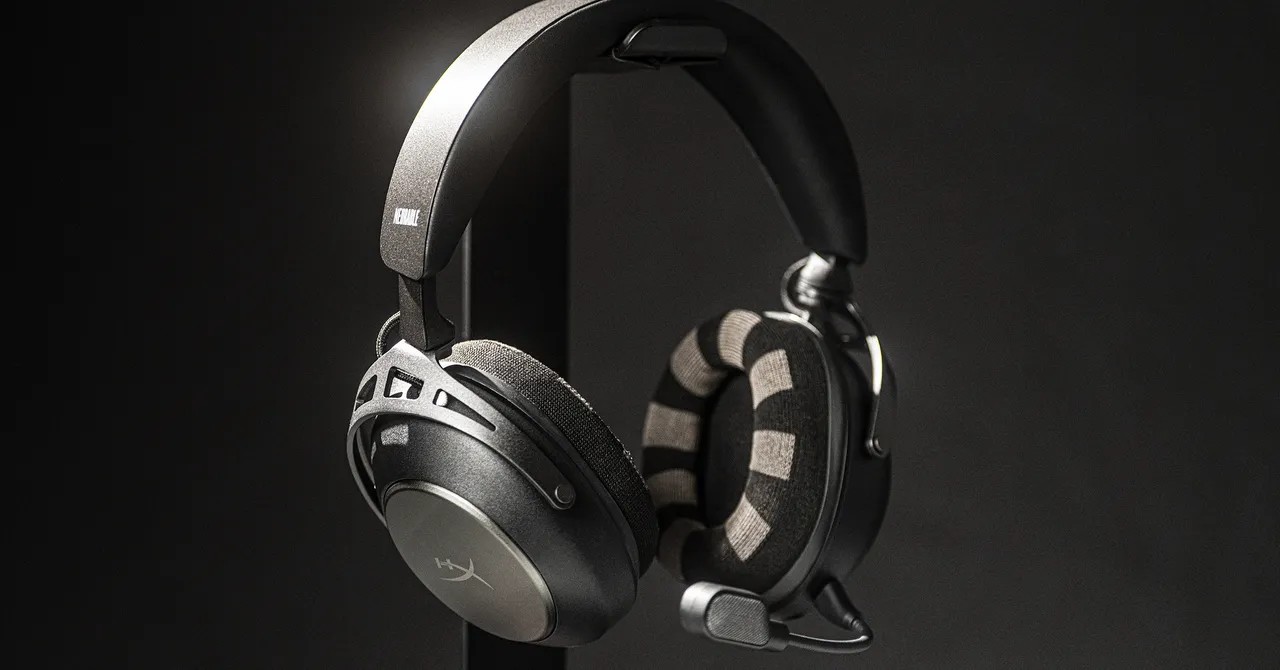
The first major wave of this expansion is already arriving via HyperX, an HP-owned gaming brand. Their new headset utilizes Neurable’s technology to help esports athletes optimize their mental state. According to Neurable CEO Ramses Alcaide, early data suggests the tech can lead to improved performance, including faster response times and increased accuracy in high-stakes gaming.
Why This Matters: The “Fitbit Moment” for the Brain
The transition from specialized medical tools to everyday consumer gadgets is a significant trend in the Brain-Computer Interface (BCI) industry. Neurable is attempting to replicate the “Fitbit effect”: once, wearing a device that tracked your heart rate seemed futuristic and strange; today, it is a standard consumer expectation.
By making their technology “hardware-agnostic,” Neurable is positioning itself to be the invisible engine inside:
– Gaming headsets for performance optimization.
– Smart glasses and hats for daily cognitive monitoring.
– Helmets for safety and health tracking.
– Military gear (the company already holds a US Department of Defense contract to monitor blast overpressure and traumatic brain injuries).
The Privacy Challenge: Data in the Cloud
As with any technology that intercepts biological signals, privacy is the most pressing concern. Because Neurable’s tech requires heavy processing, user data is sent to Neurable’s servers.
To address potential backlash, the company has implemented several safeguards:
– Data Separation: User identifiers are kept separate from the biological data.
– Centralized Protection: While partner brands (like HyperX) manage the user interface, Neurable maintains control over the underlying data handling and privacy protocols.
– Ethical Framework: Alcaide emphasizes that the company’s business model is not built on selling user data, though the industry will likely face intense scrutiny as these devices become more common.
The Competitive Landscape
Neurable is not alone in this race to decode human thought. The BCI market is rapidly diversifying with players like:
– Elemind, focusing on EEG for sleep quality.
– Sabi, working on thought-to-text interfaces.
– Apple, which has already filed patents for EEG-sensing AirPods.
“Any time there’s a new transition to technology, there’s always going to be some anxiety,” says Alcaide. “We’ve been very careful… We’re protecting the data, being as ethical as possible.”
Conclusion
Neurable’s shift to a licensing model marks a pivot from being a hardware manufacturer to becoming a foundational software layer for the brain-sensing industry. If successful, brain-monitoring metrics could soon become as routine as tracking steps on a smartwatch.