
Retirement was supposed to be relaxing.
Instead you’re staring at a mechanic’s bill you can’t afford. SUVs dominate American roads for good reason. They’re big, capable, and come in gas hybrid and electric flavors from every major manufacturer.
But big doesn’t always mean better. And cheap doesn’t always mean value.
When you stop working your daily wage matters less and unexpected repair bills matter more. Oil consumption. Faulty electronics. The simple physical act of getting out of the vehicle. Two car experts Jimi Taylor, a Maryland mechanic with 26 years under his belt and Ruth Calkins a general manager at FindByPlate sat down to tell you exactly which SUVs to keep far away.
They’re not pulling their punches.
1. The Kia Trap (Unless It’s Brand New)
Taylor is blunt. He hates used Kia SUVs.
“Specifically Kias are not good.” He says they rarely sell without warranty for a reason. Issues arise too quickly and too frequently. If you buy used? You’re on the hook. Every time something breaks you’re out money. Money retirees can’t spare.
His advice is rigid. Buy new? Okay. With a full warranty? Fine. Anything else is a bad idea. Why? Because your golden years shouldn’t be spent fixing transmissions. You earned your rest. Don’t waste it waiting for a Kia part.
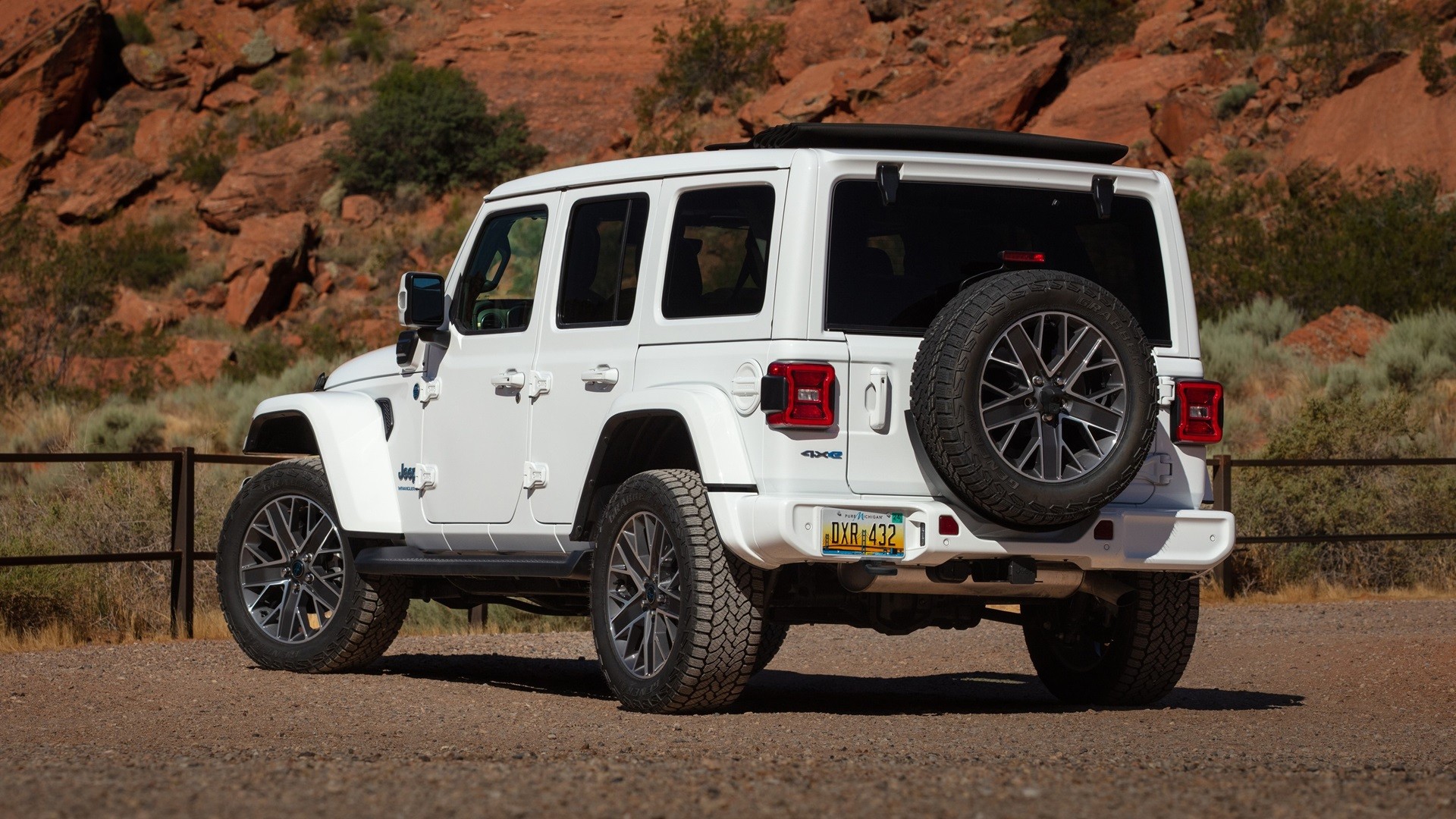
2. The Jeep Wrangler Fantasy
People love Jeeps for their ruggedness. Retirees hate them for the reality.
Calkins lists the Wrangler as a primary offender. Along with the Ford Explorer these cars bring “unending reliability challenges.” Translation. Your car won’t stay running. Transmission failures happen. Electronics glitch. Oil leaks. It’s a constant cycle of minor annoyances turning into major expenses.
Calkins puts it starkly. It sucks to lose your mobility. It really sucks when you can’t drive because of preventable maintenance neglect by the manufacturer. You’ll be calling for rides. And not in a fun way.
3. Ford Explorers
Right in the same bucket as the Jeep. Calkins sees the Ford Explorer as equally problematic.
Transmission issues. Electronic gremlins. Oil leaks. The list repeats but the consequence is different for older drivers. Retirees depend on cars for medical appointments groceries and social life. If the Explorer breaks down it isn’t an inconvenience. It’s a crisis.
High repair costs hit a fixed income like a hammer. The Explorer just isn’t worth the stress or the wallet damage.
4. The Volkswagen Atlas Size Problem
The Atlas isn’t necessarily unreliable like the others. But it’s a headache for a different reason. Size.
Calkins notes it’s just too big. It doesn’t fit the “compact easy to handle” profile retirees need. Parking becomes a puzzle. Maneuvering in tight spaces becomes a daily anxiety.
And getting out of it? Hard on the joints. The higher ride height is great for visibility but terrible for aging knees or backs. It creates accessibility issues that turn driving from a joy into a physical strain. If mobility is a concern skip the giant box.
5. AWD Suburbans
Taylor warns specifically against all-wheel drive Suburbans.
Why? Three things. They are overpriced. They guzzle oil. They are expensive nightmares to fix.
The oil consumption issue alone creates ongoing friction. You check the dip stick and it’s down again. Then comes the repair bill for the complex AWD system. You paid a premium price upfront to buy a liability. It’s a double hit on your savings. One for buying it one for fixing it. Not a good combo.
6. Small SUVs Generally
Here is the surprising one. Taylor advises against small SUVs entirely.
He calls them “throwaway cars.”
It sounds harsh. But listen. They break fast. When the cost to repair exceeds the value of the car you don’t fix it. You toss it. You buy another. Rinse and repeat.
Retirees want longevity. Small SUVs offer neither reliability nor long term value. They are entry-level cars built for short cycles. Not for twenty-year ownership. It’s frustrating. You just want to drive not constantly shop for new junk.
So What Should You Buy?
It isn’t all bad.
Both Taylor and Calkins agree on one thing. Stick with Japanese brands. Specifically Toyota and Honda.
Taylor likes them for maintenance costs. “They’re more expensive to buy,” he admits. But that’s the trick. You pay more upfront. You pay less over time. They last. They’re cheap to keep running.
Calkins sees the bigger picture. Retirement is already expensive. Medical bills inflation living costs. The last thing you need is a car eating into your savings every time you turn the key.
A car is a tool. It should get you places without breaking the bank or your back. Choose wisely.